Strengthening Mission Soil Living Lab for better soil health monitoring
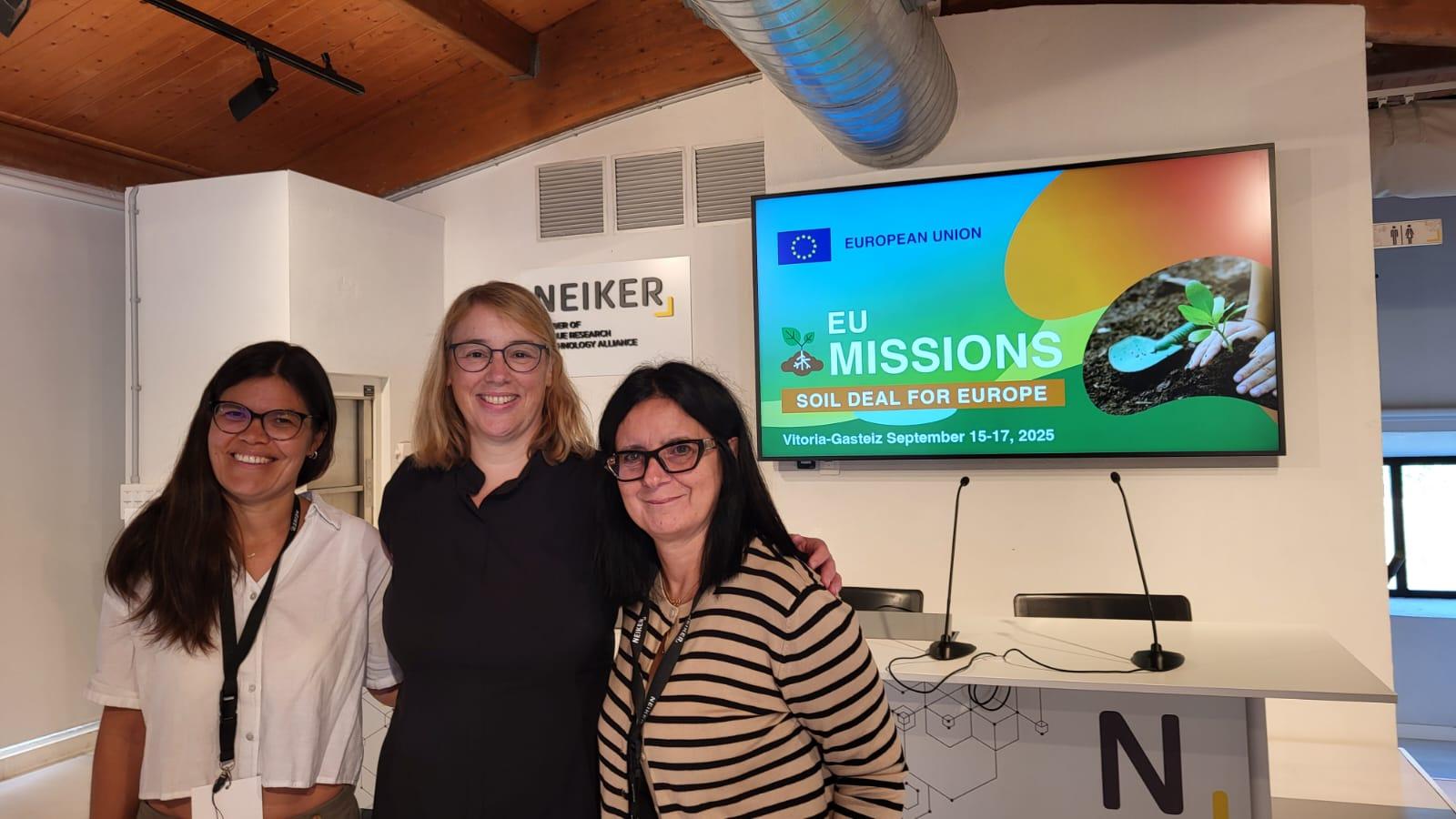
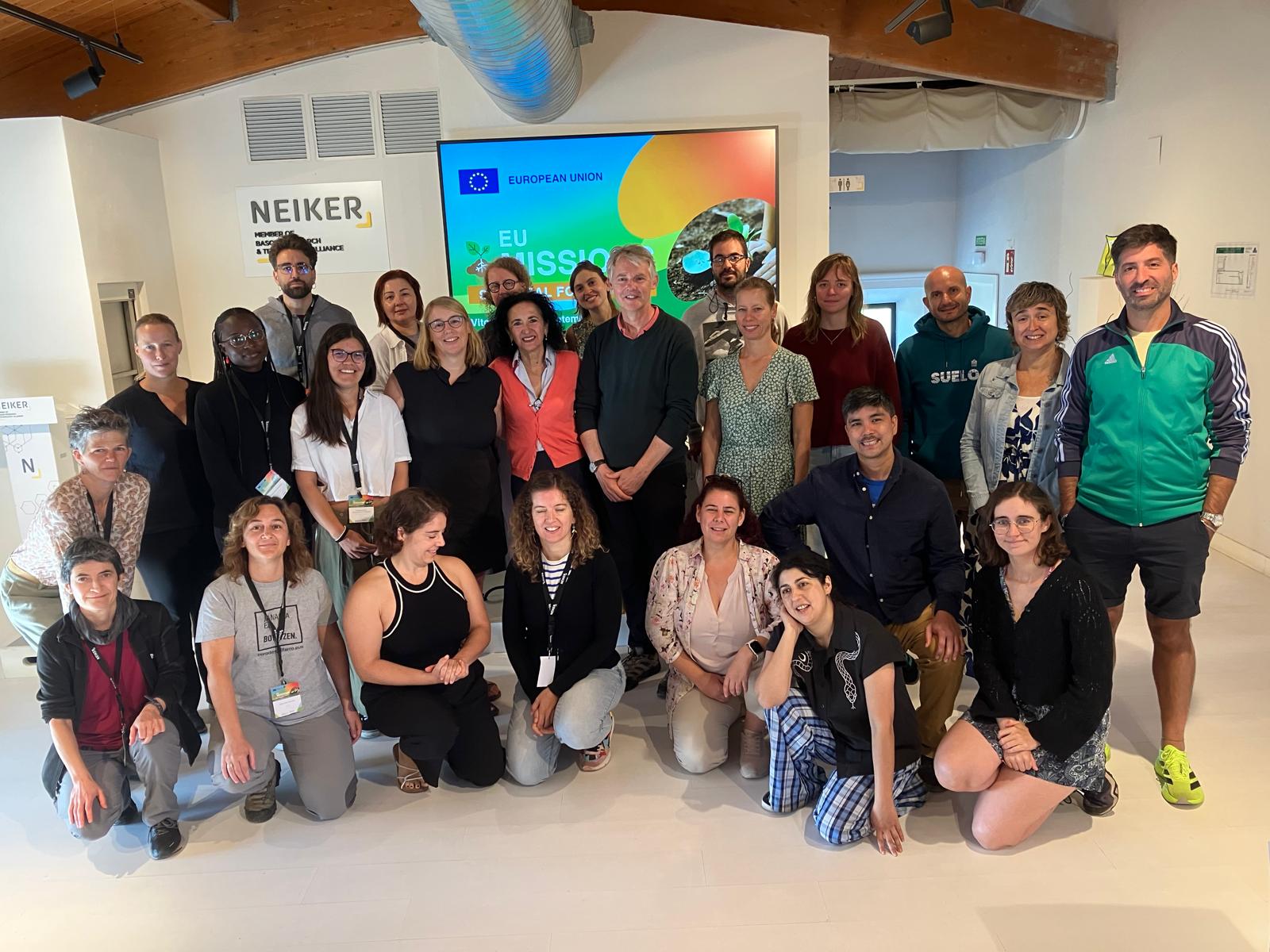
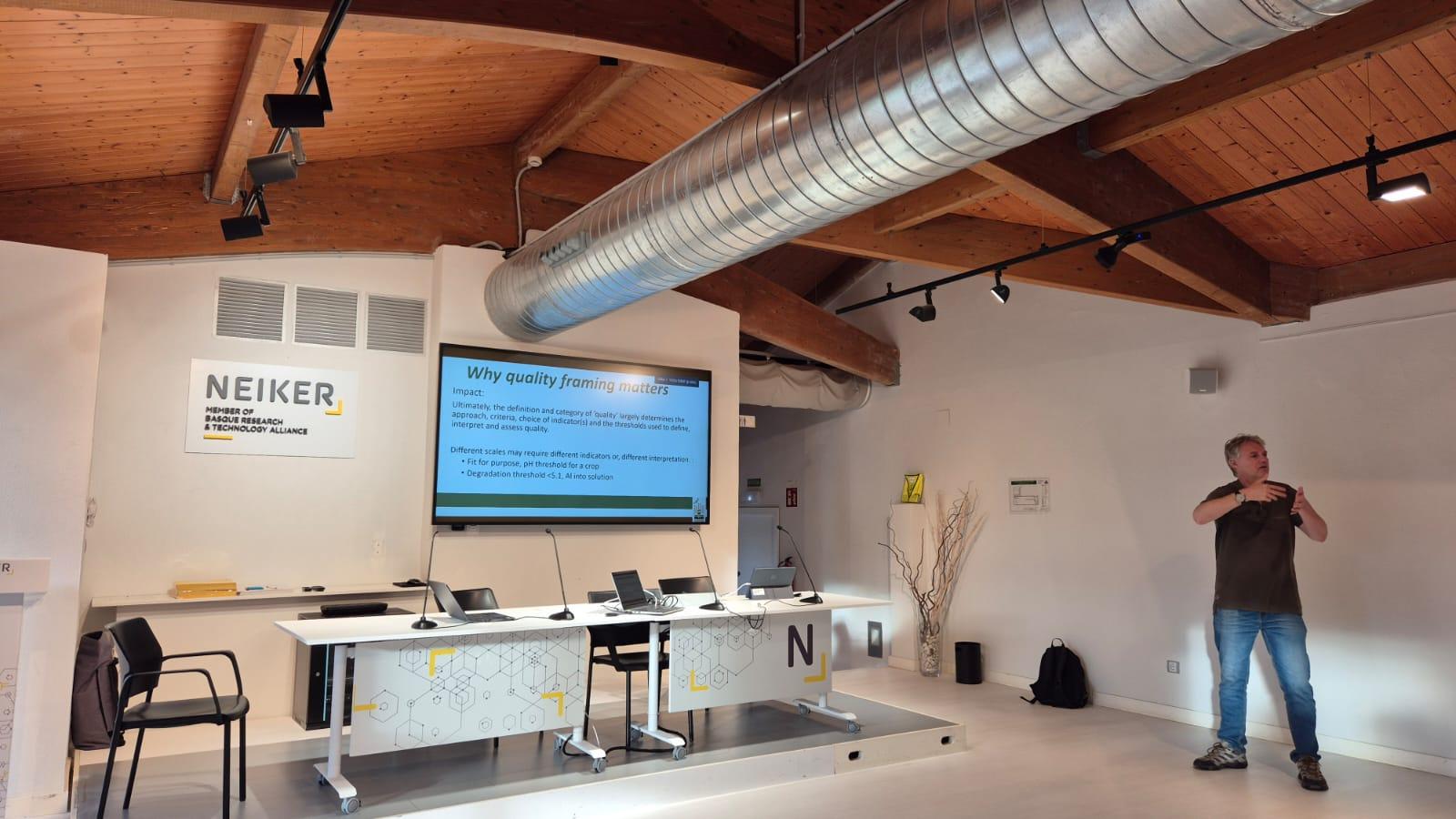
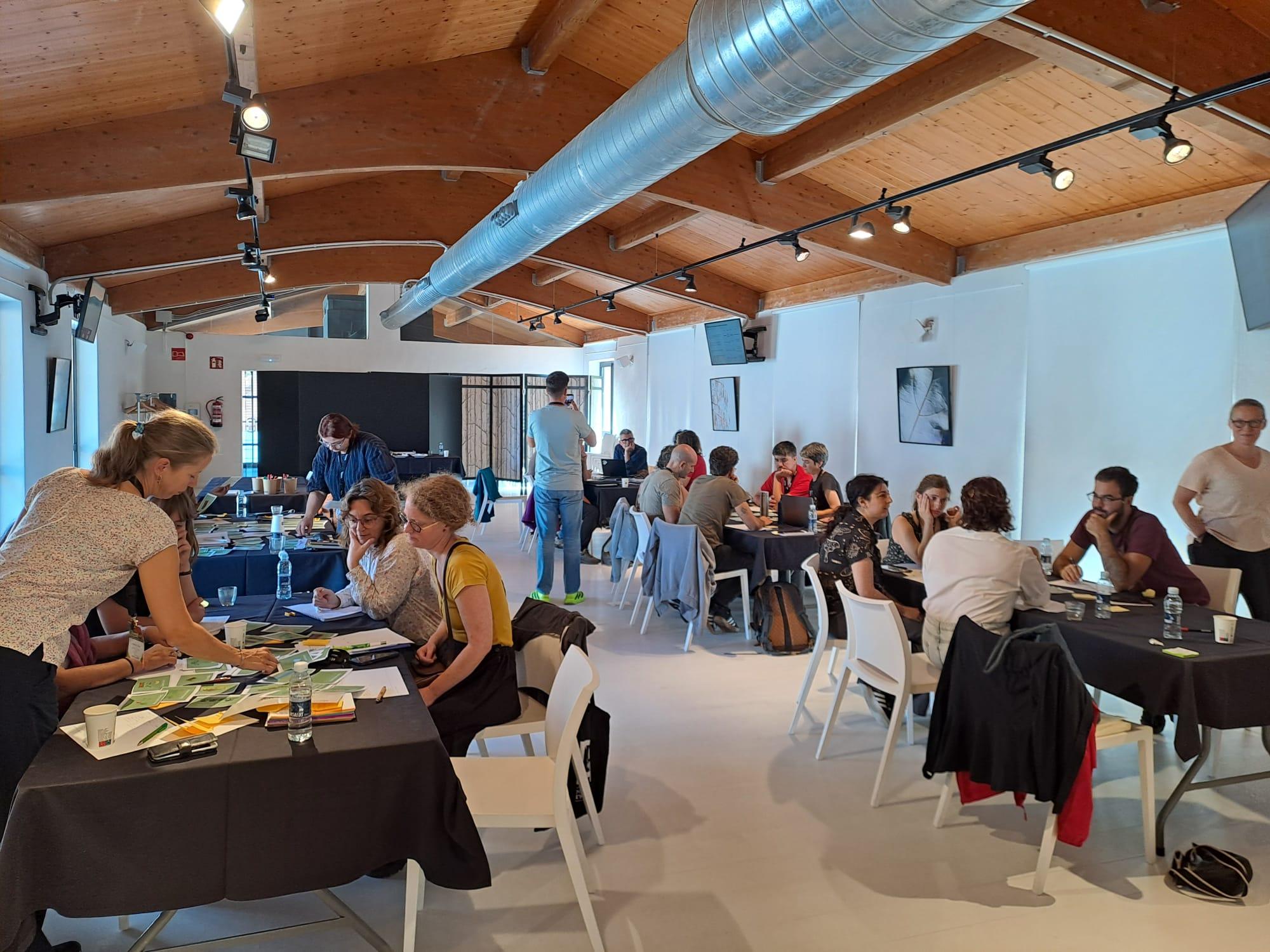
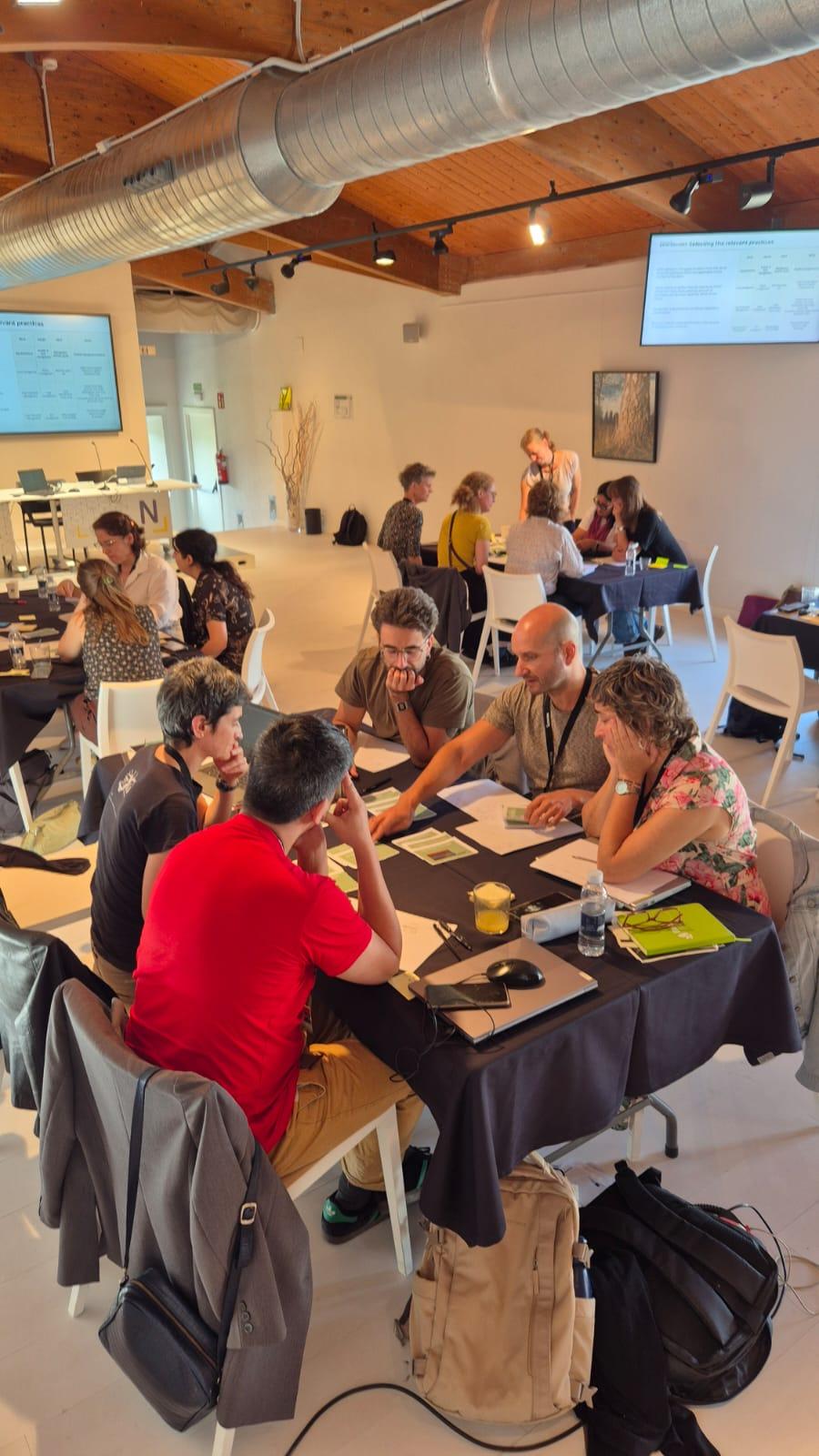
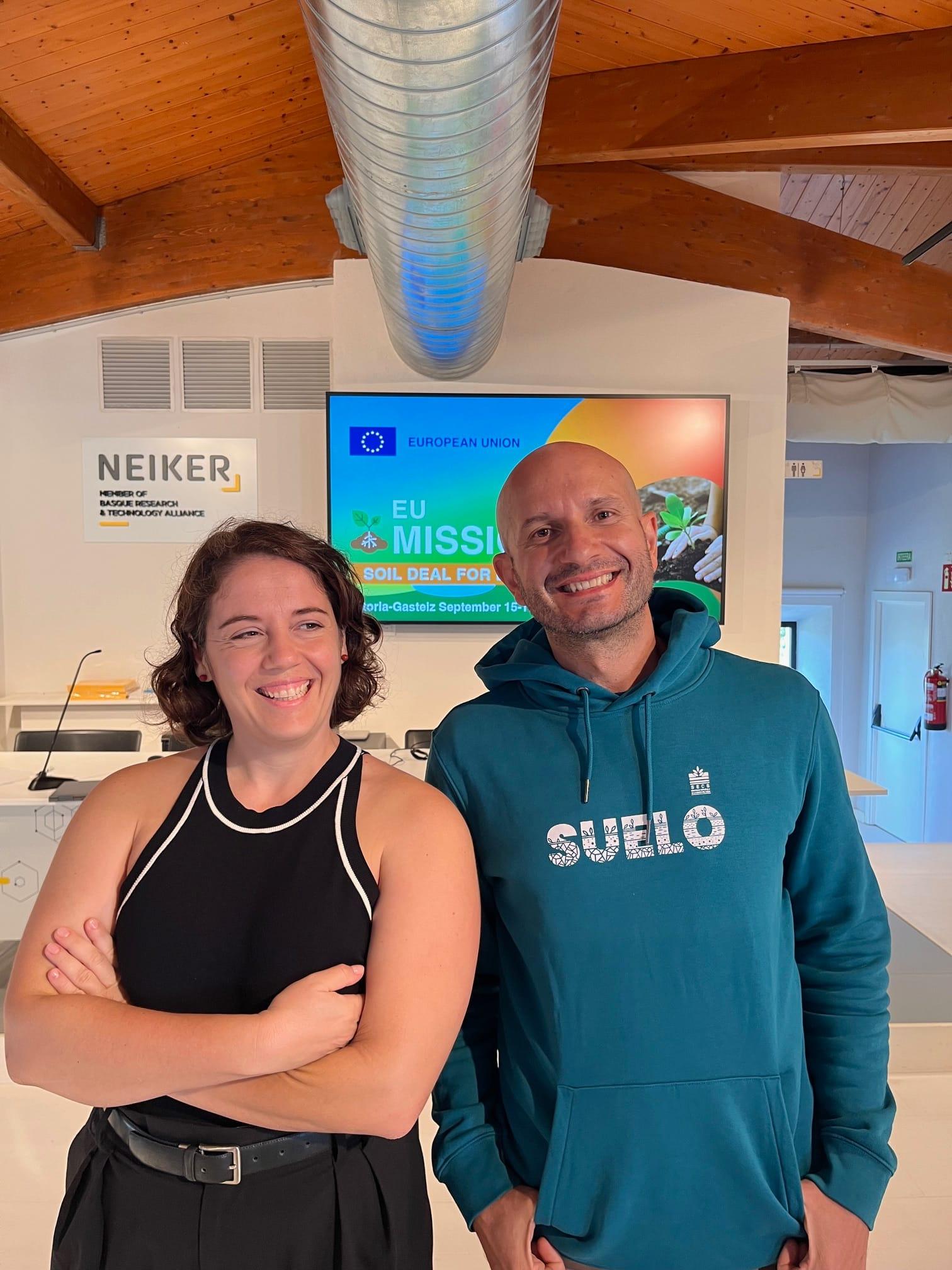
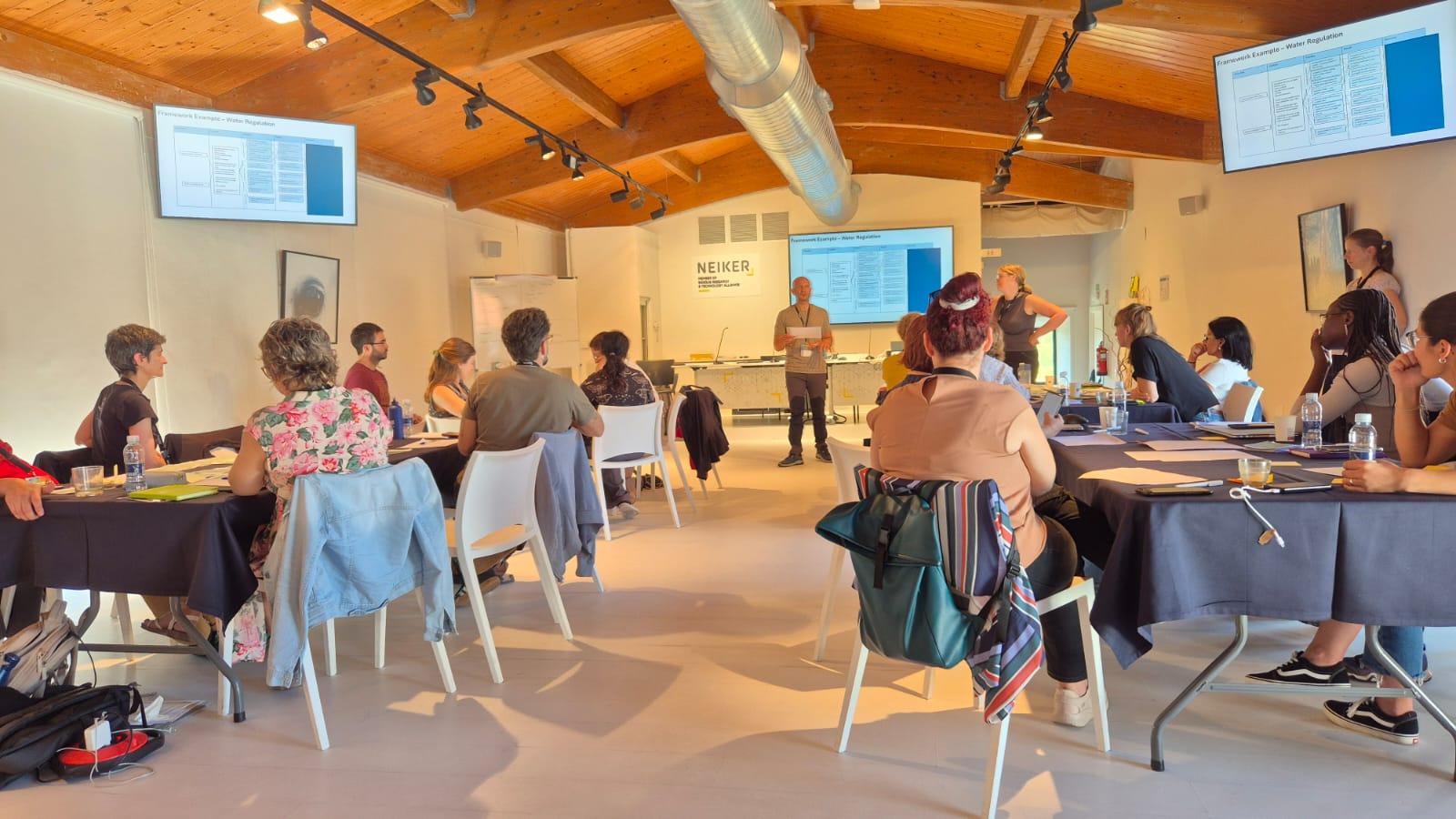
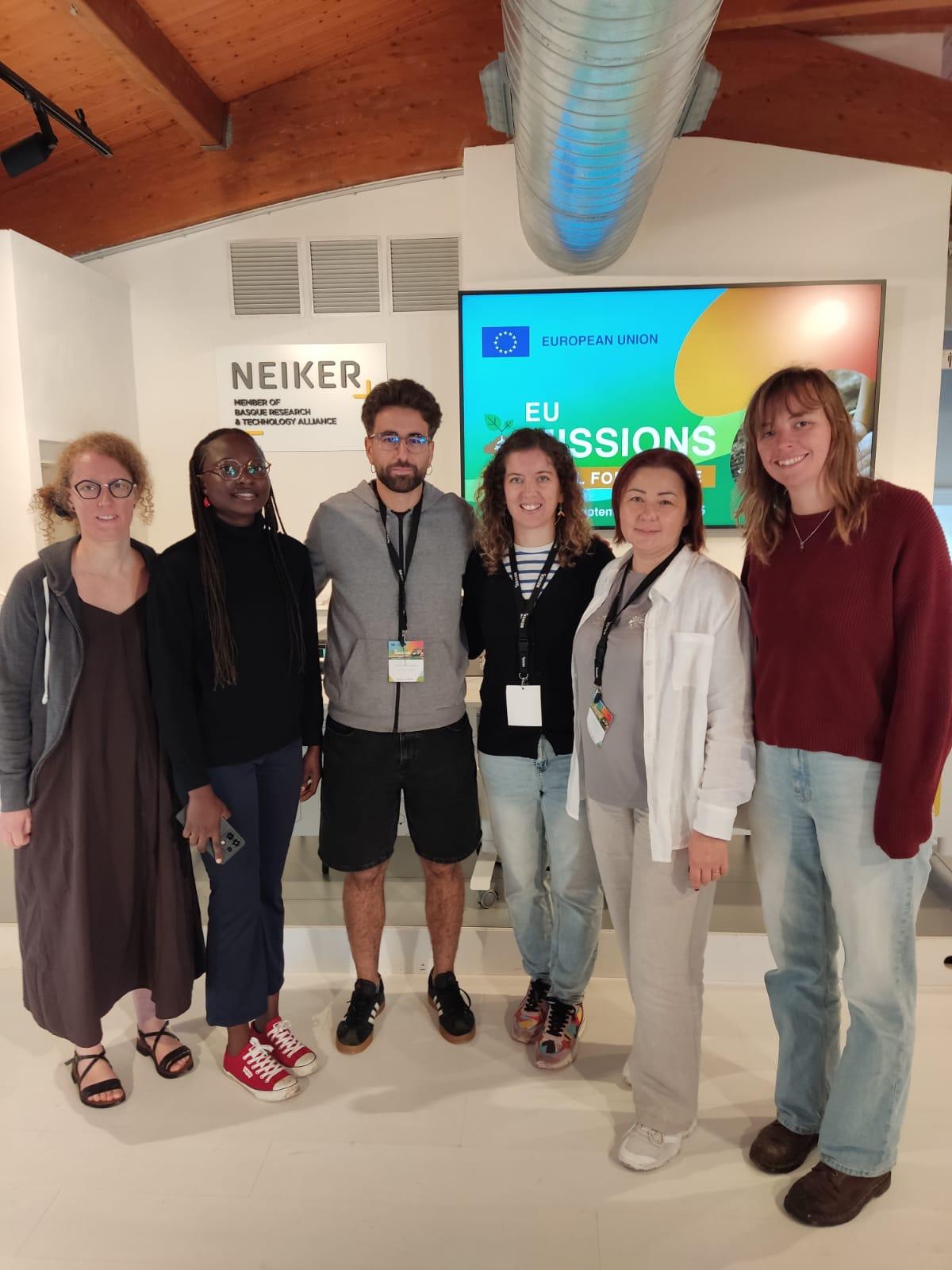
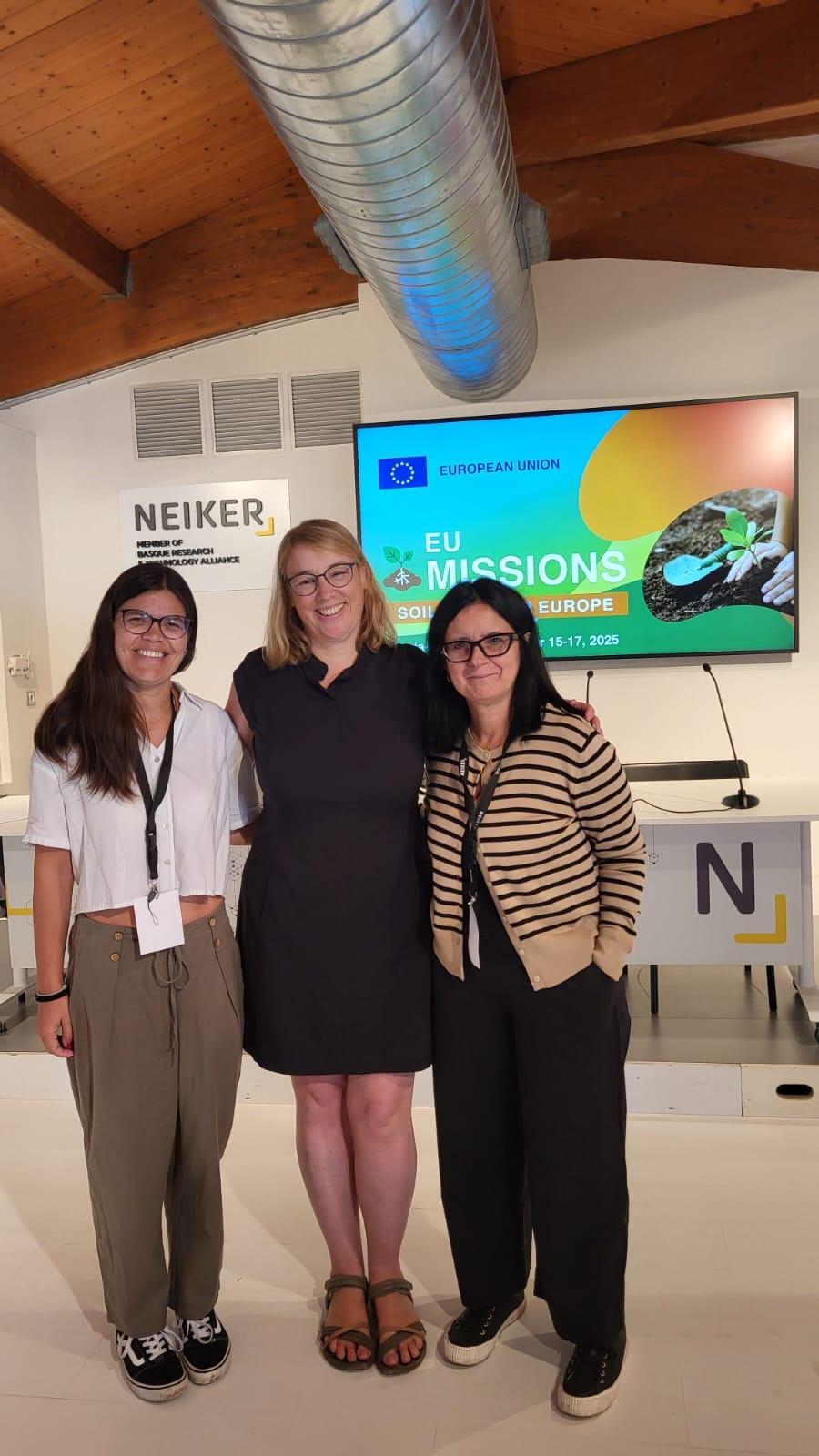
The Spanish city of Vitoria-Gasteiz hosted an intensive three-day training for Mission Soil Living Labs from 15 to 17 September 2025. The event took place in the context of the Mission’s Soil Health Indicators and Monitoring Cluster, bringing together researchers from across Europe working on different Living Lab projects of the Mission Soil. The event was organised by the Mission-funded projects BENCHMARKS and AI4SoilHealth and the Mission Soil Platform, with support from the European Commission’s Joint Research Centre. The training was held at NEIKER, the Basque Institute for Agricultural Research and Development.
The event focused on one of the most pressing challenges in soil health science: how to design and select the right indicators to assess soil health at local and landscape scales. The programme aimed to strengthen the capacity of Living Labs to select relevant soil health indicators at local level, foster knowledge exchange and, ultimately, support the Mission Soil.
Exploring the science of soil health
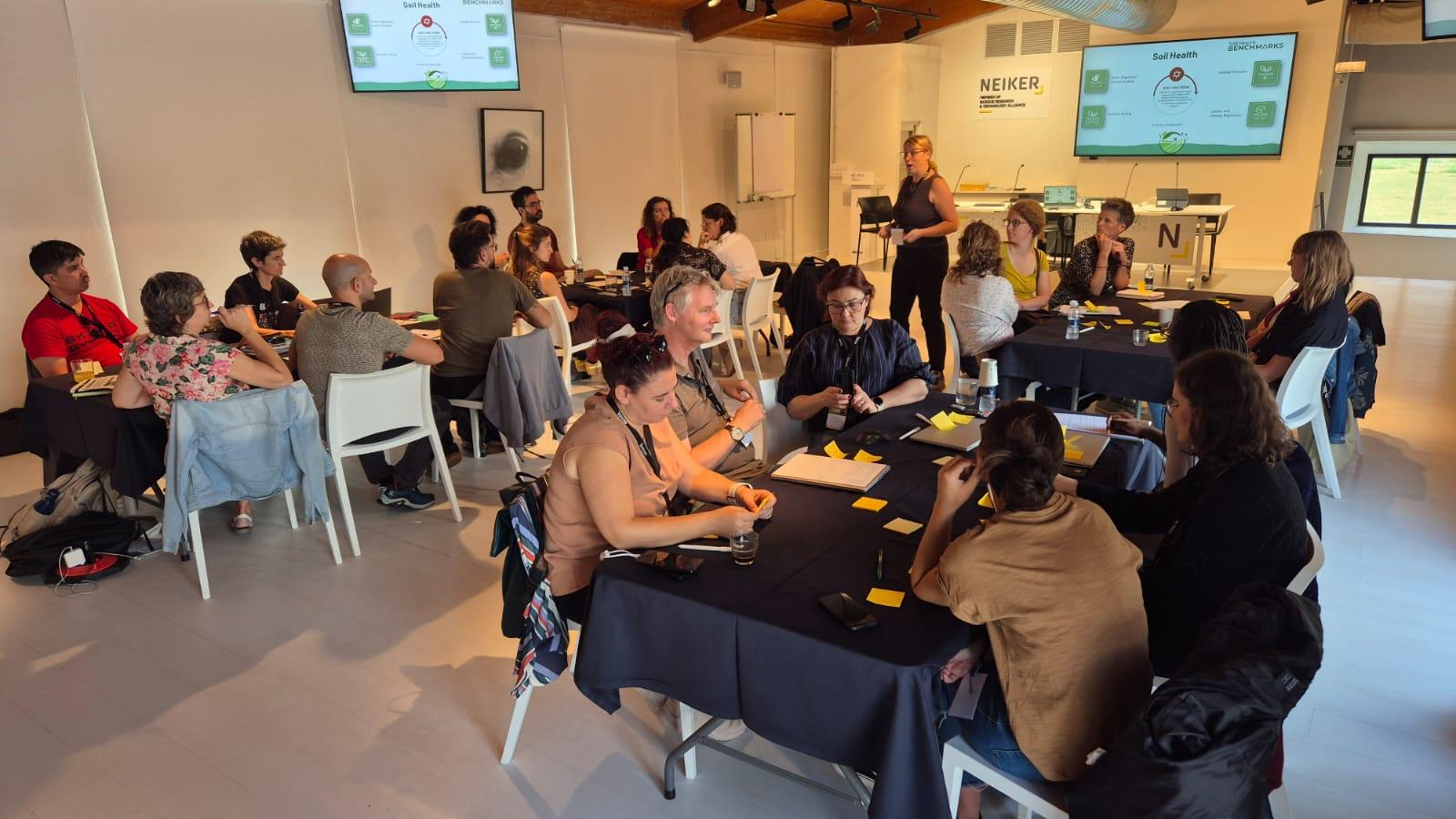
The course opened with a welcome session and a round of introductions, where participants presented their Living Labs – multi-partner research ecosystems tackling soil health challenges in real-world settings. Laura Bentley, UK Centre for Ecology and Hydrology (UKCEH), gave an introduction to national-scale monitoring, followed by group discussions that set the stage for collaborative learning in the days ahead.
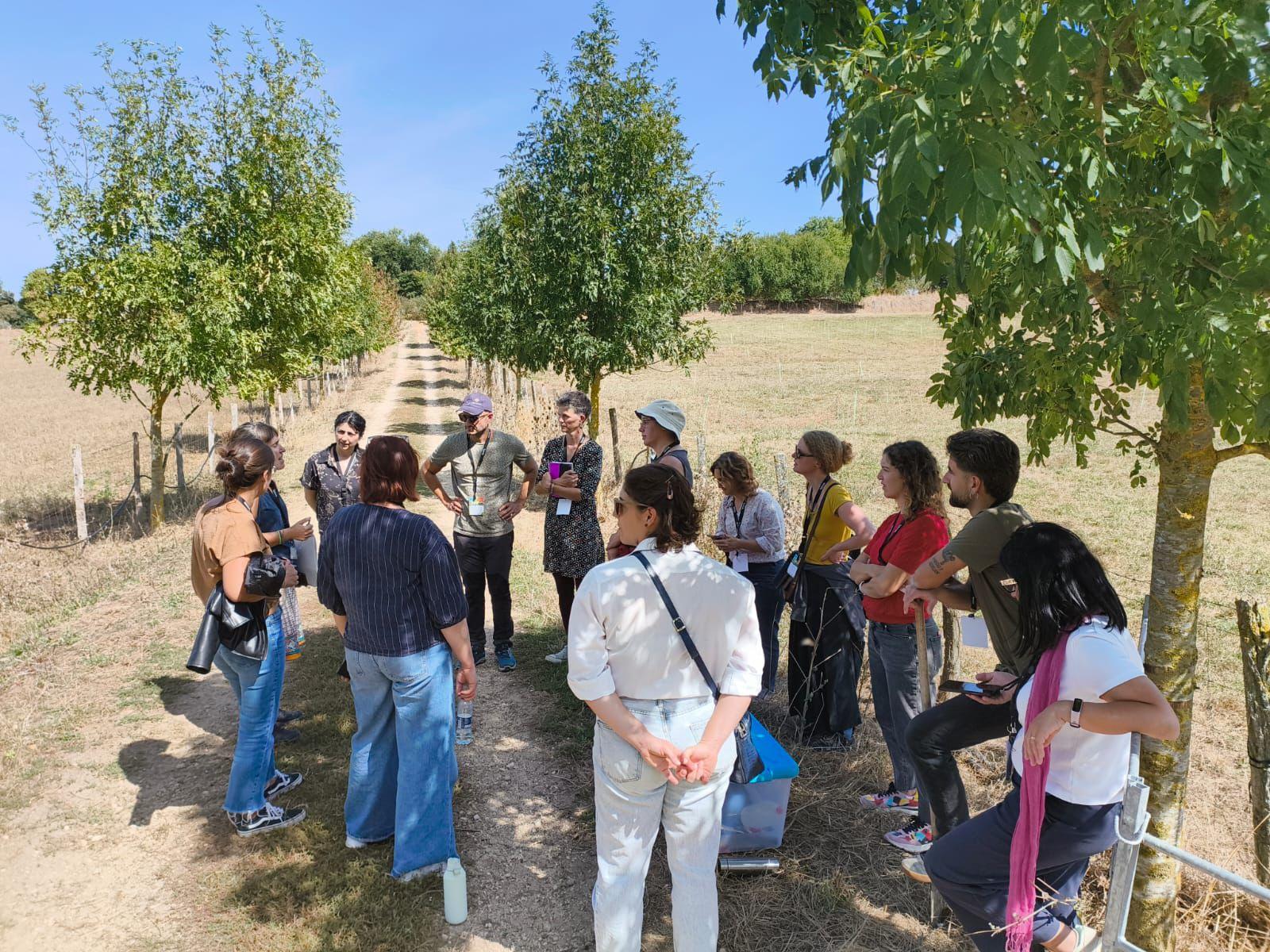
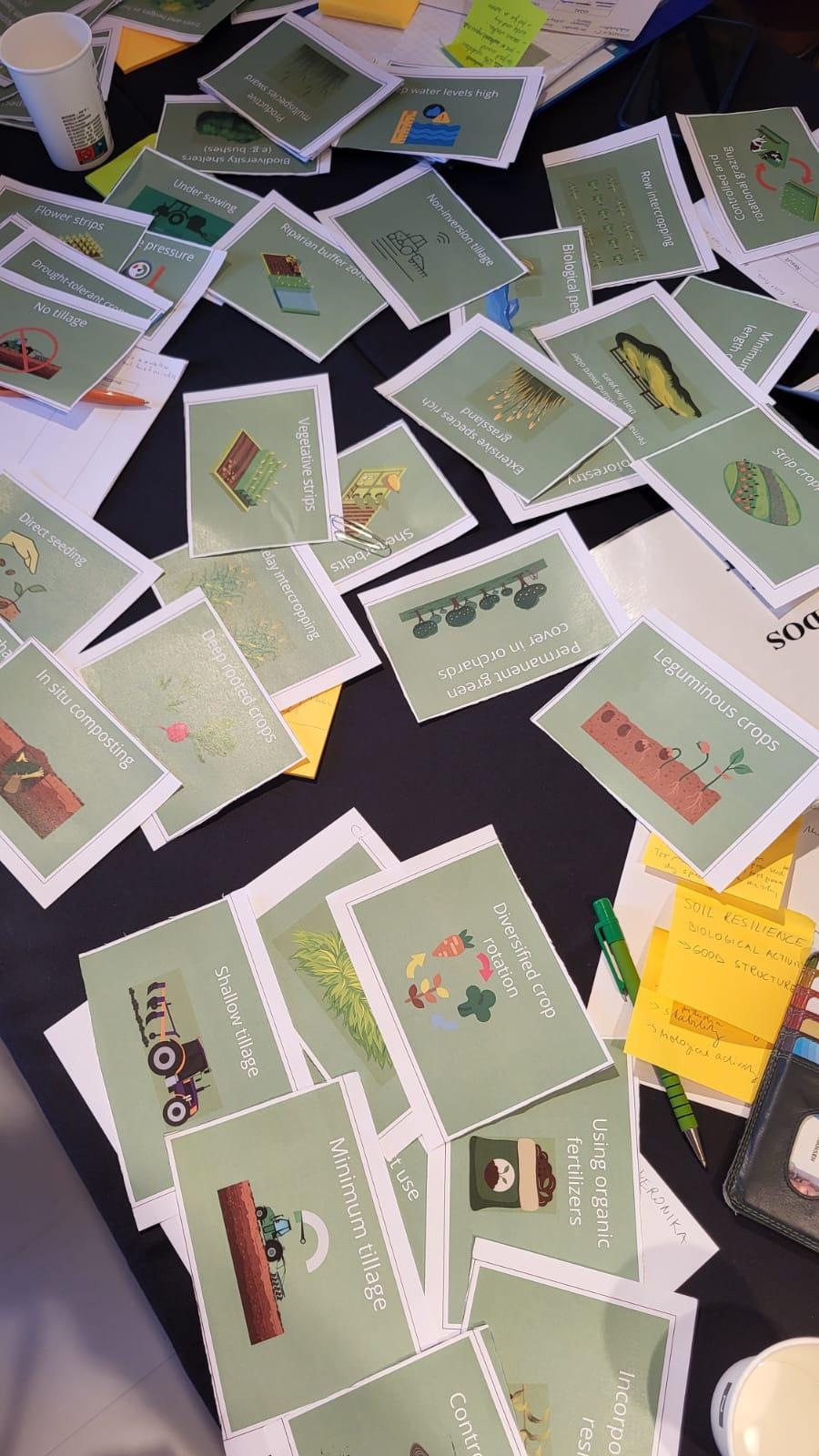
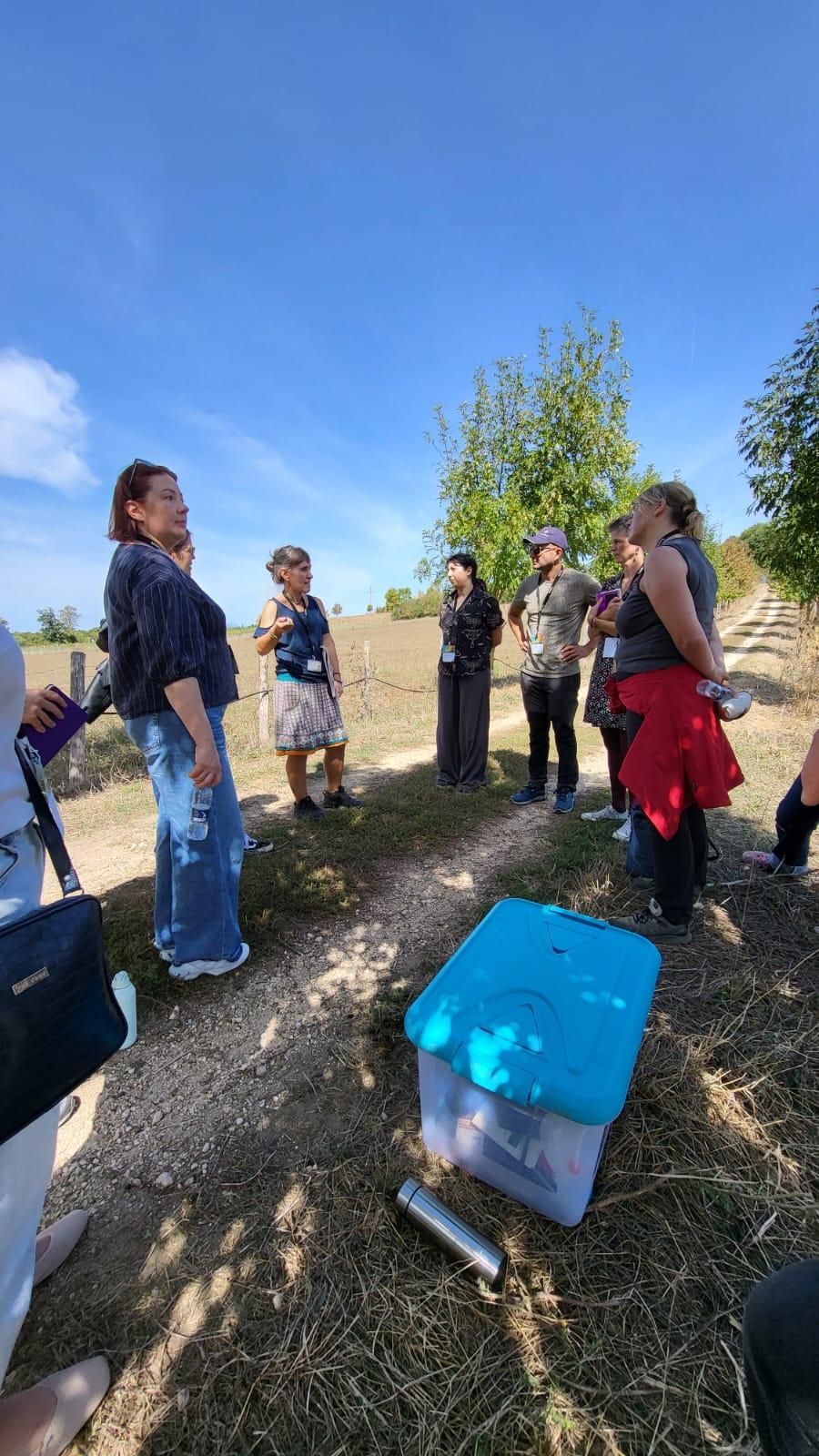
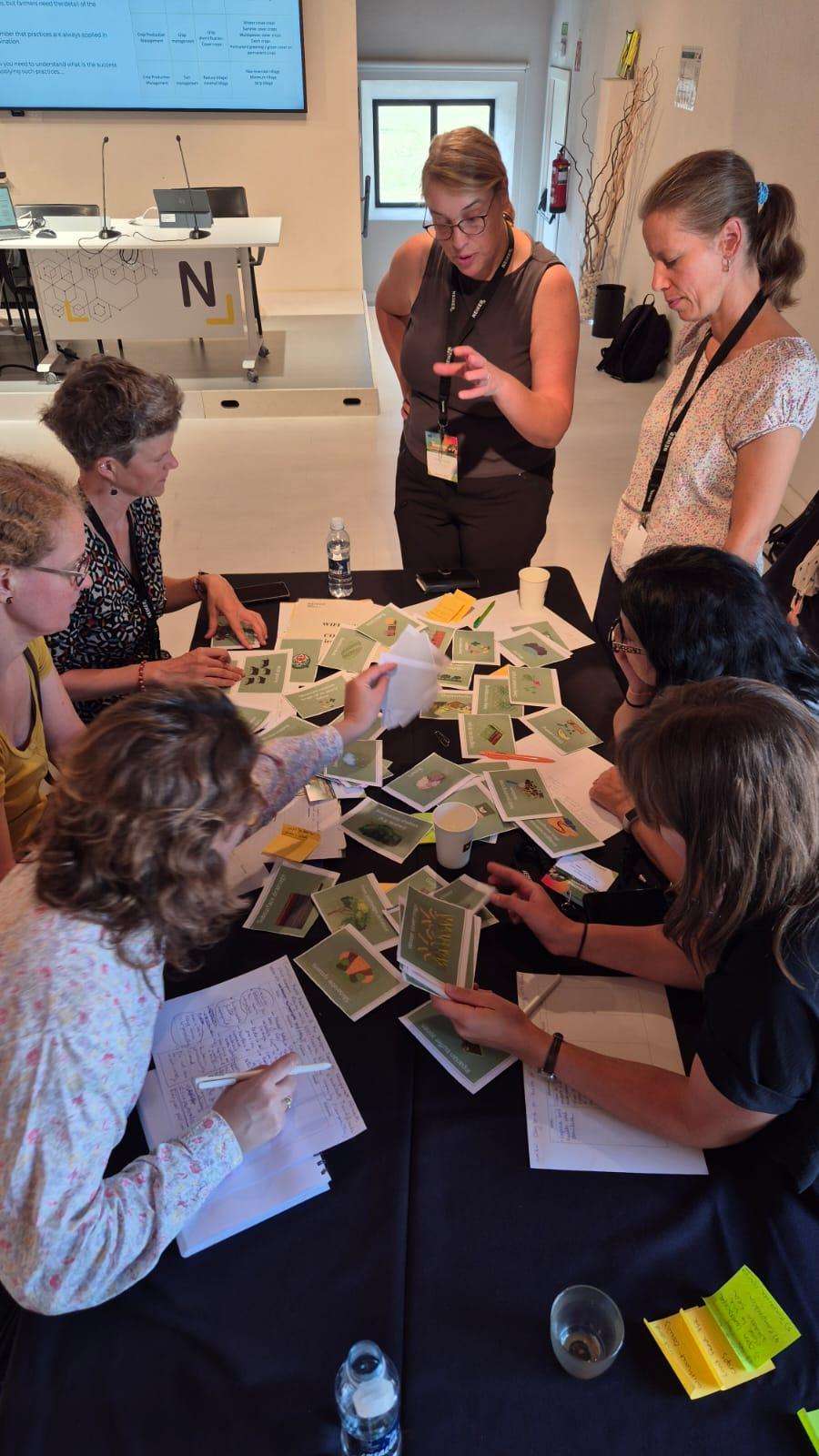
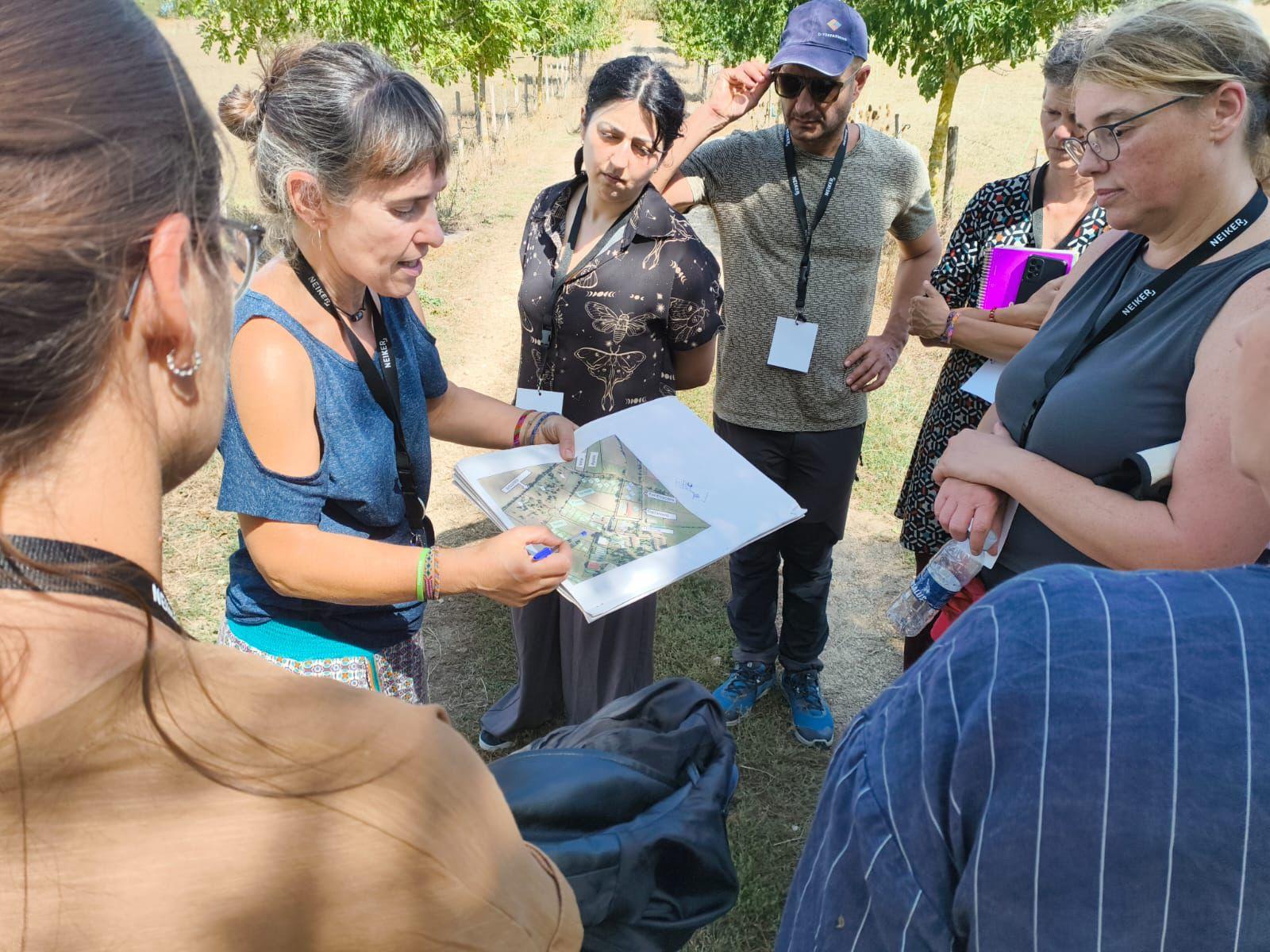
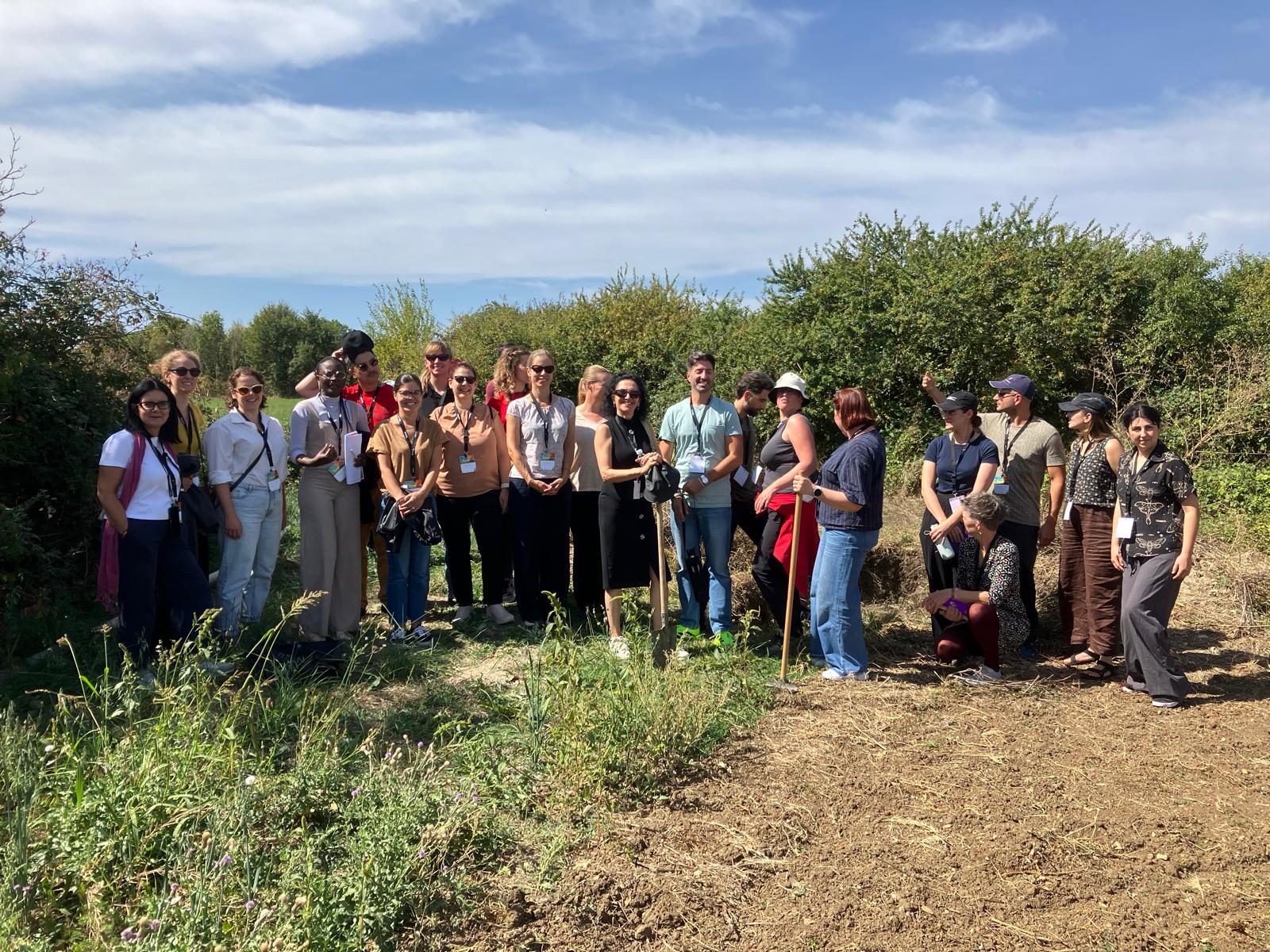
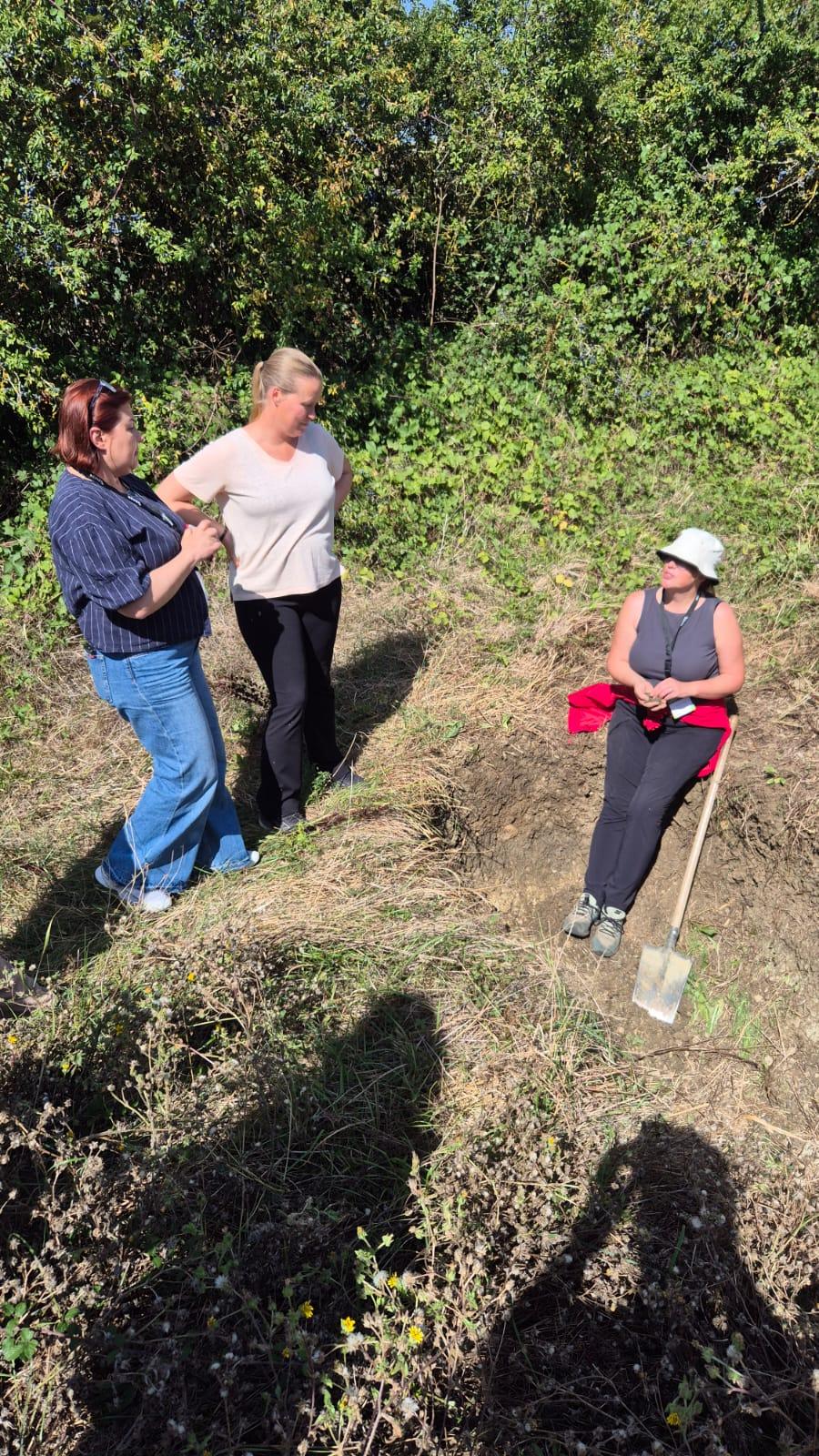
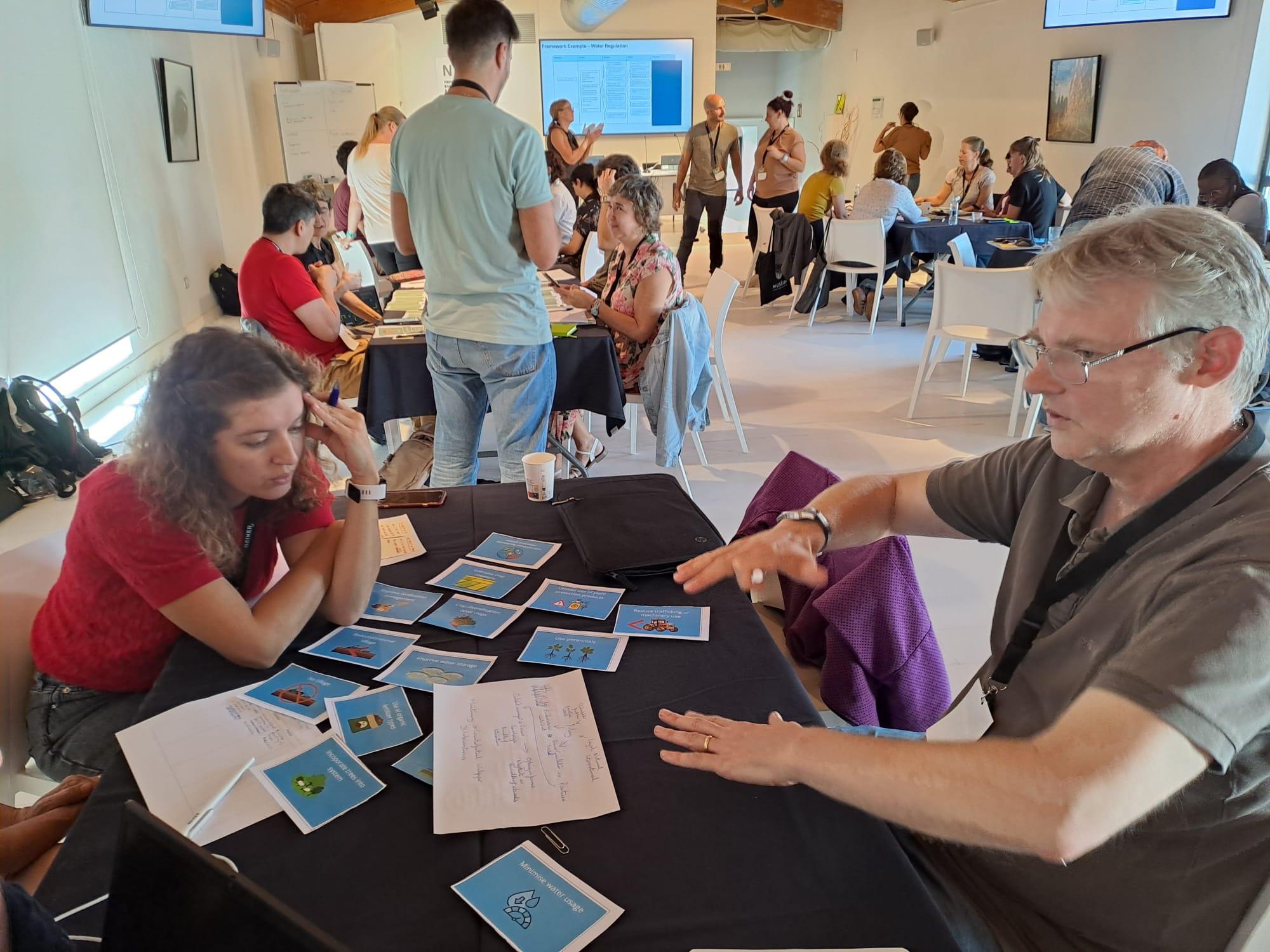
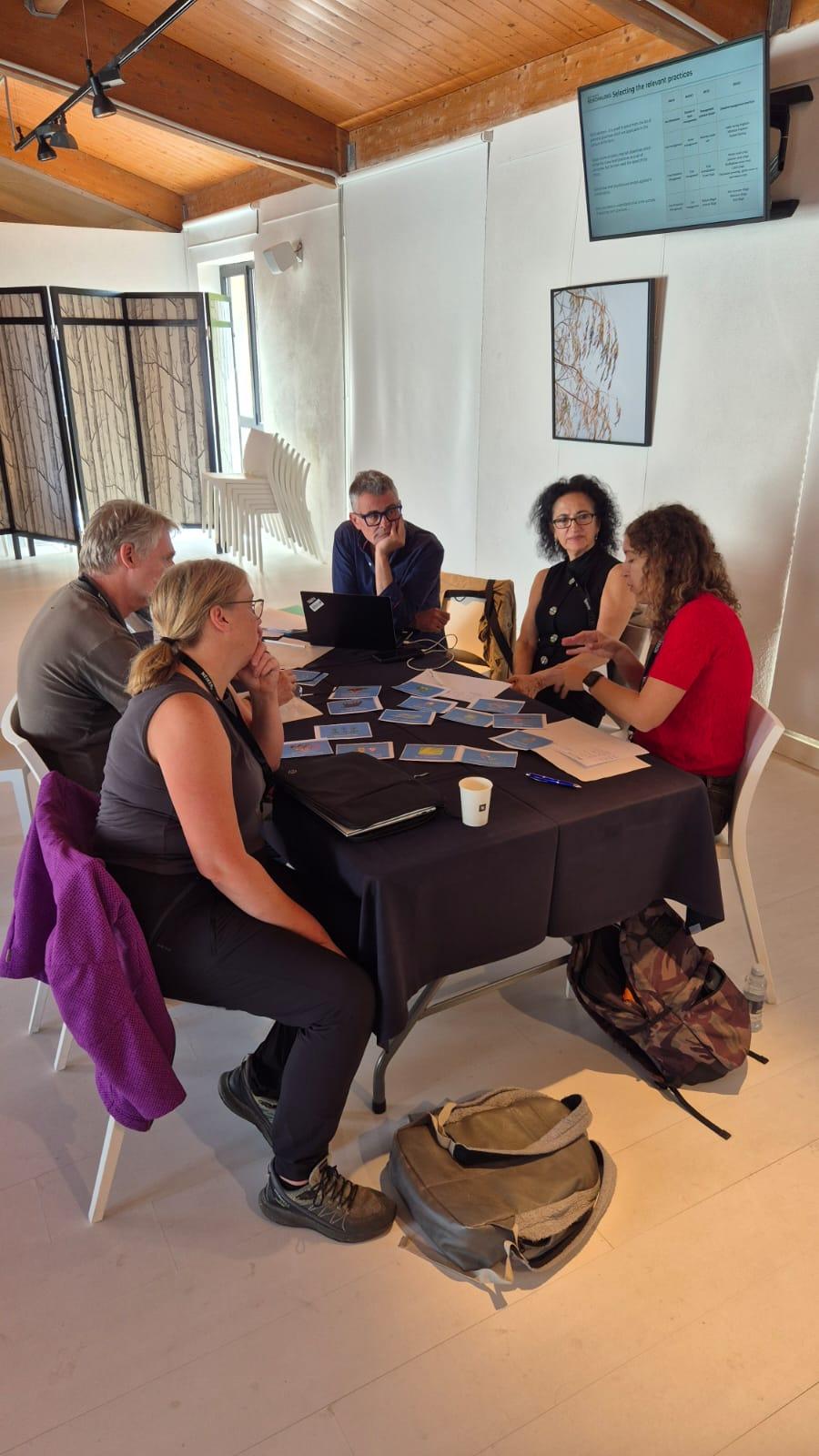
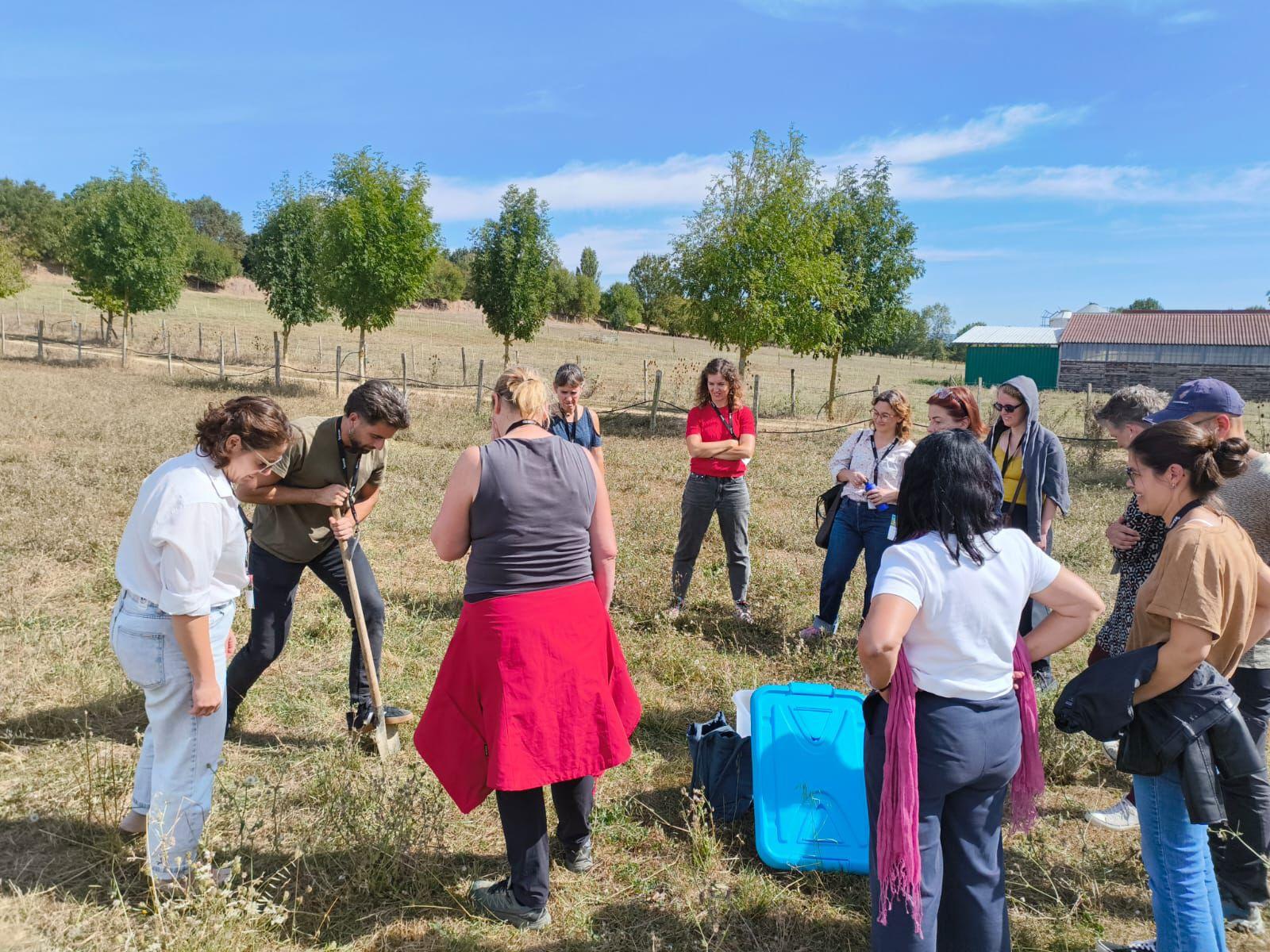
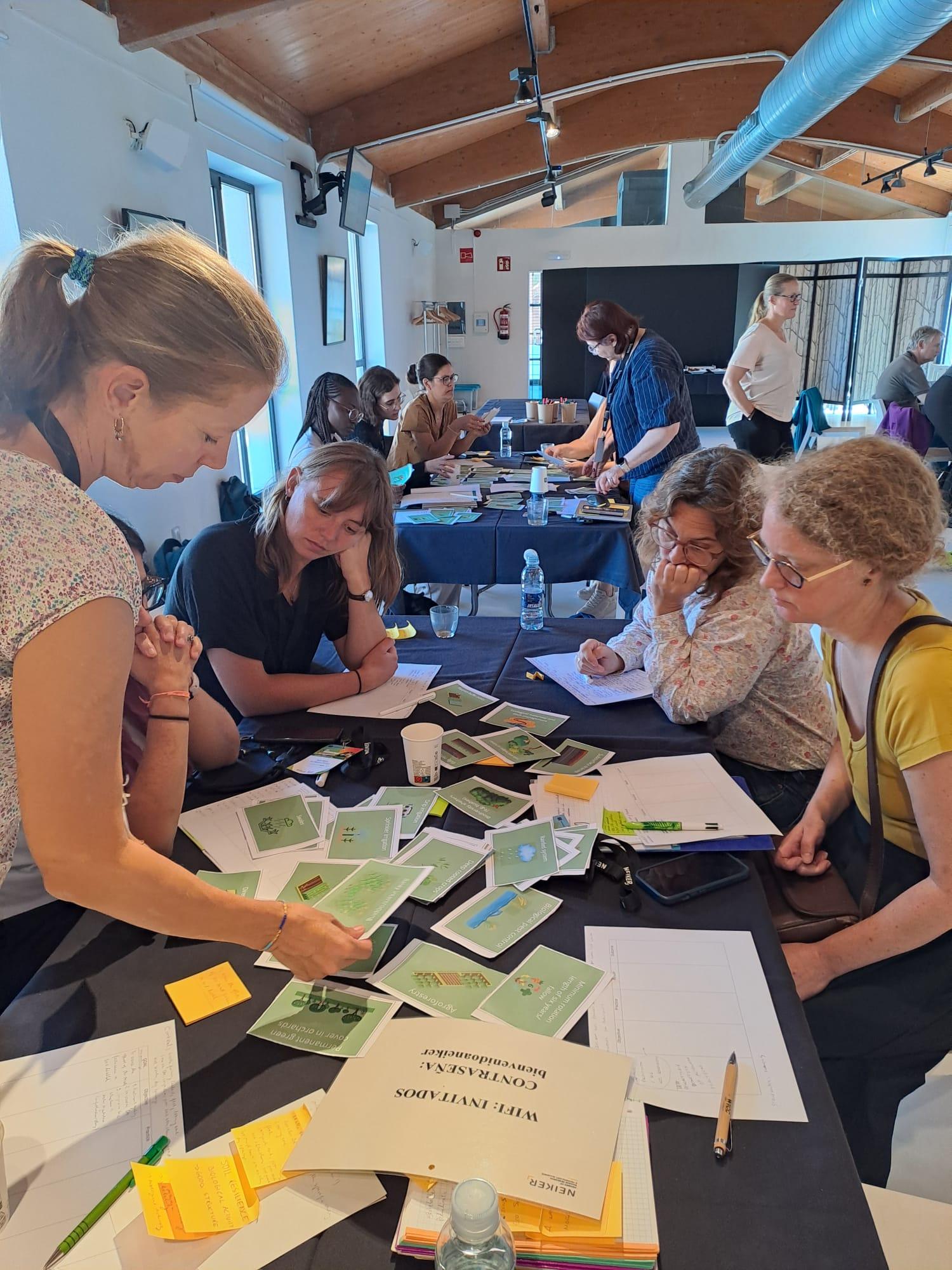
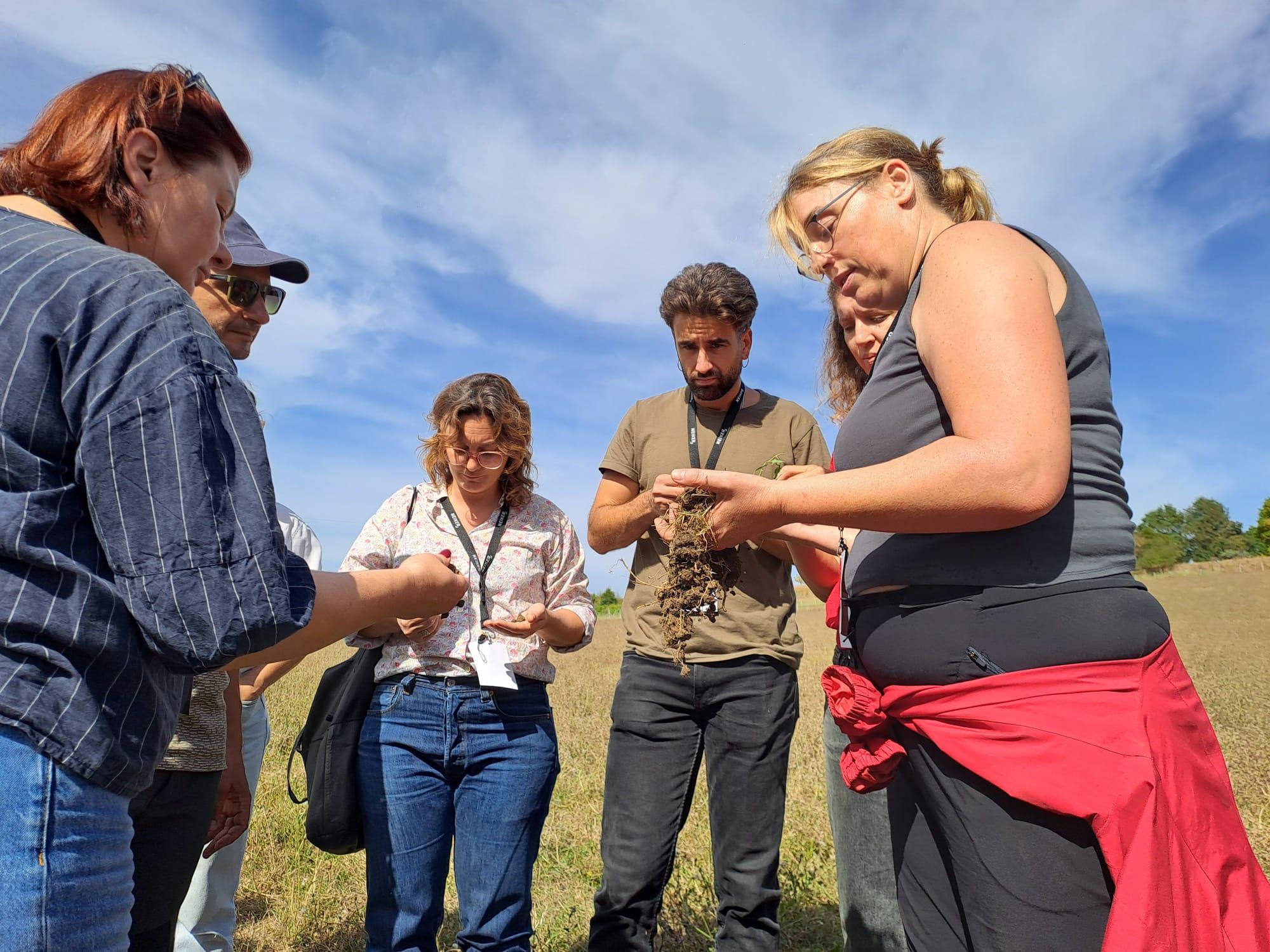
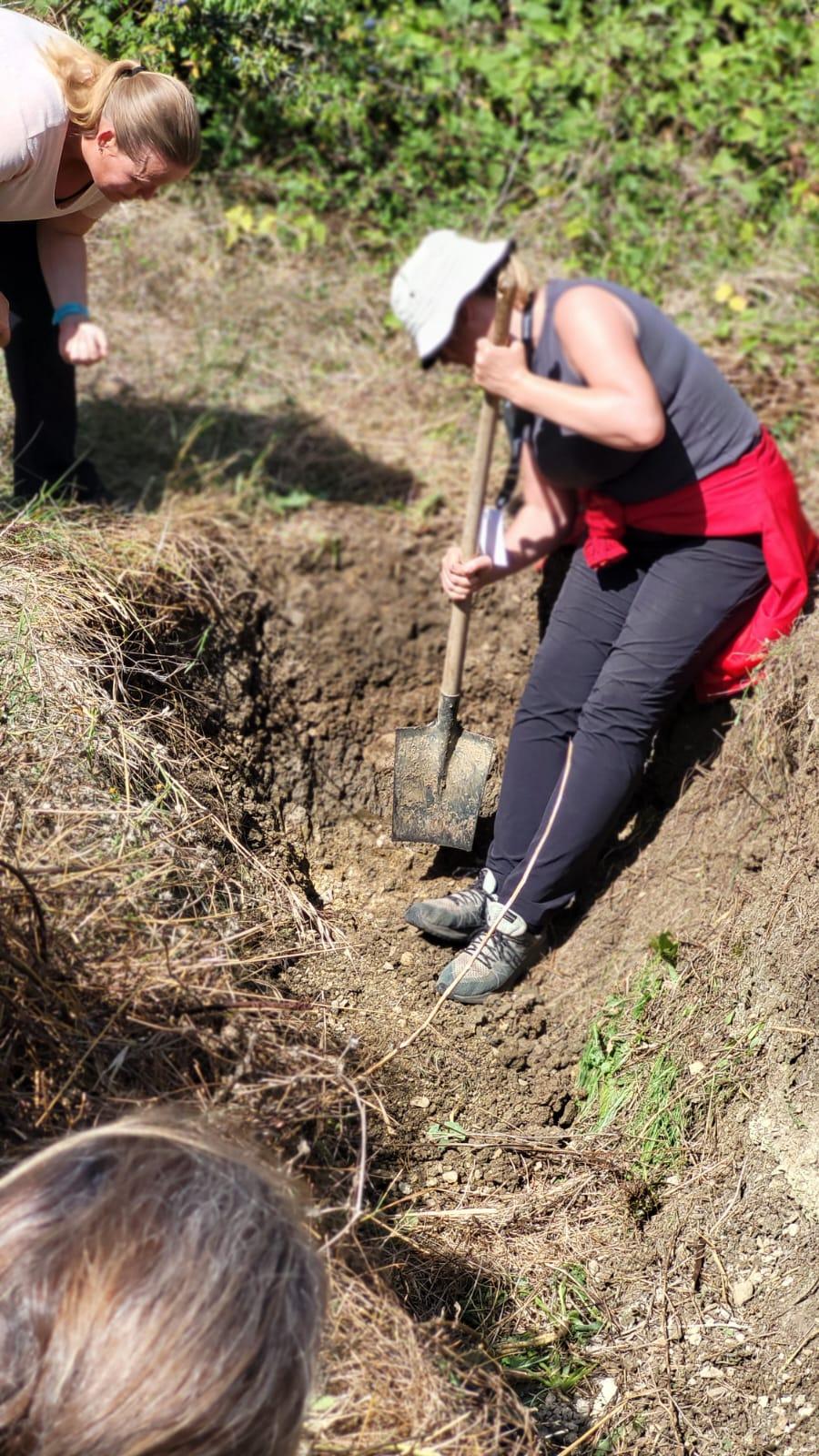
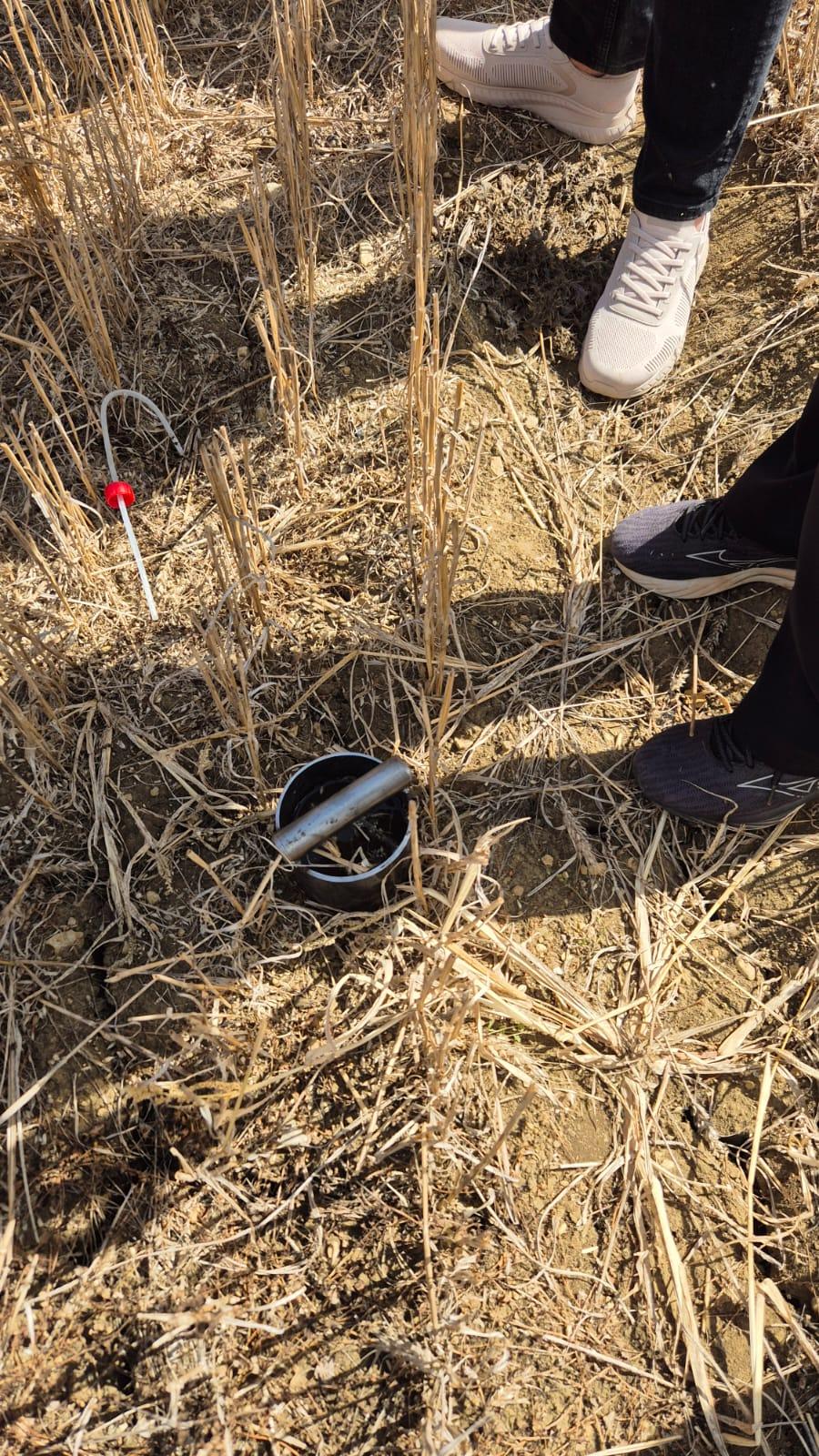
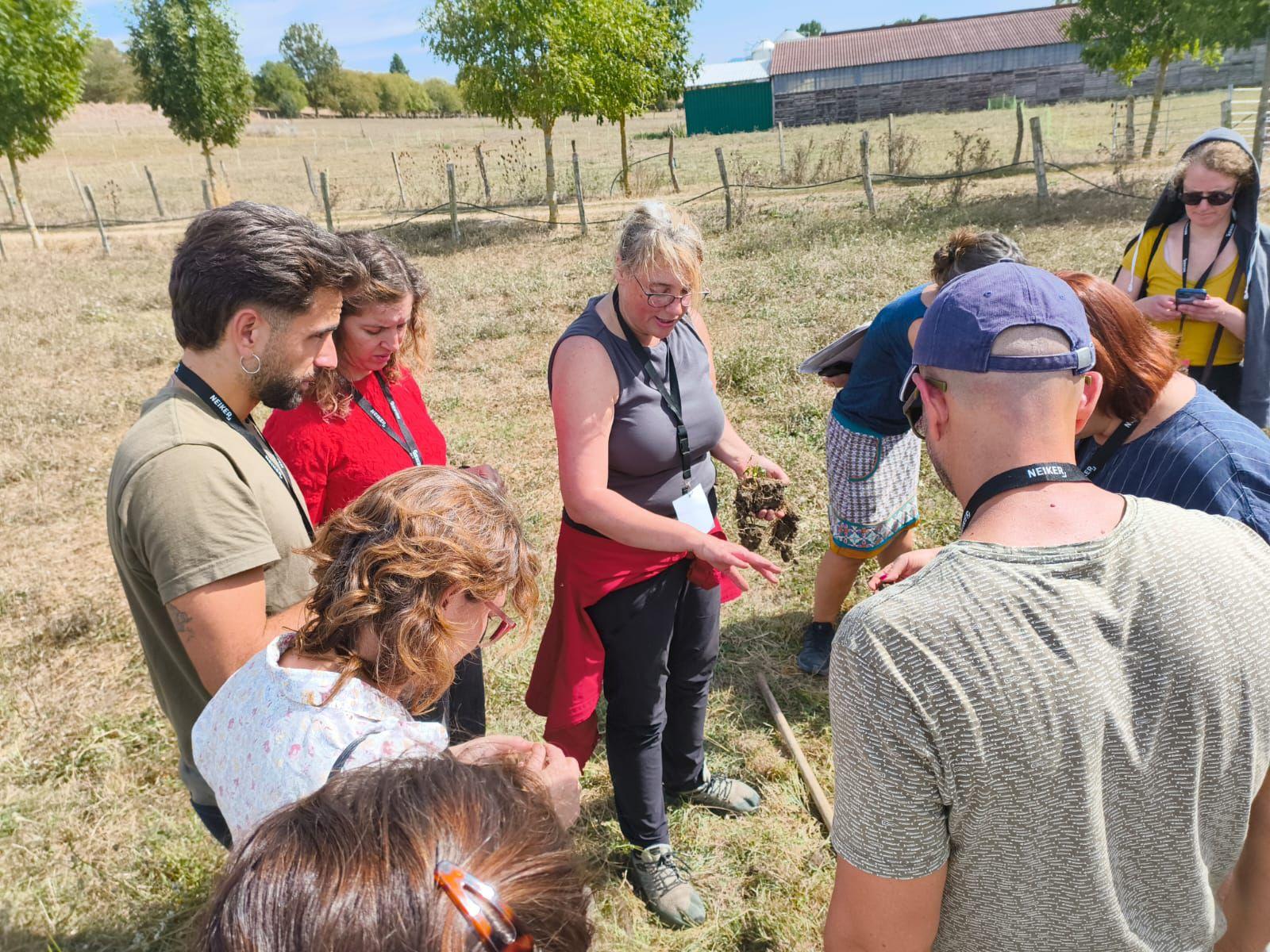
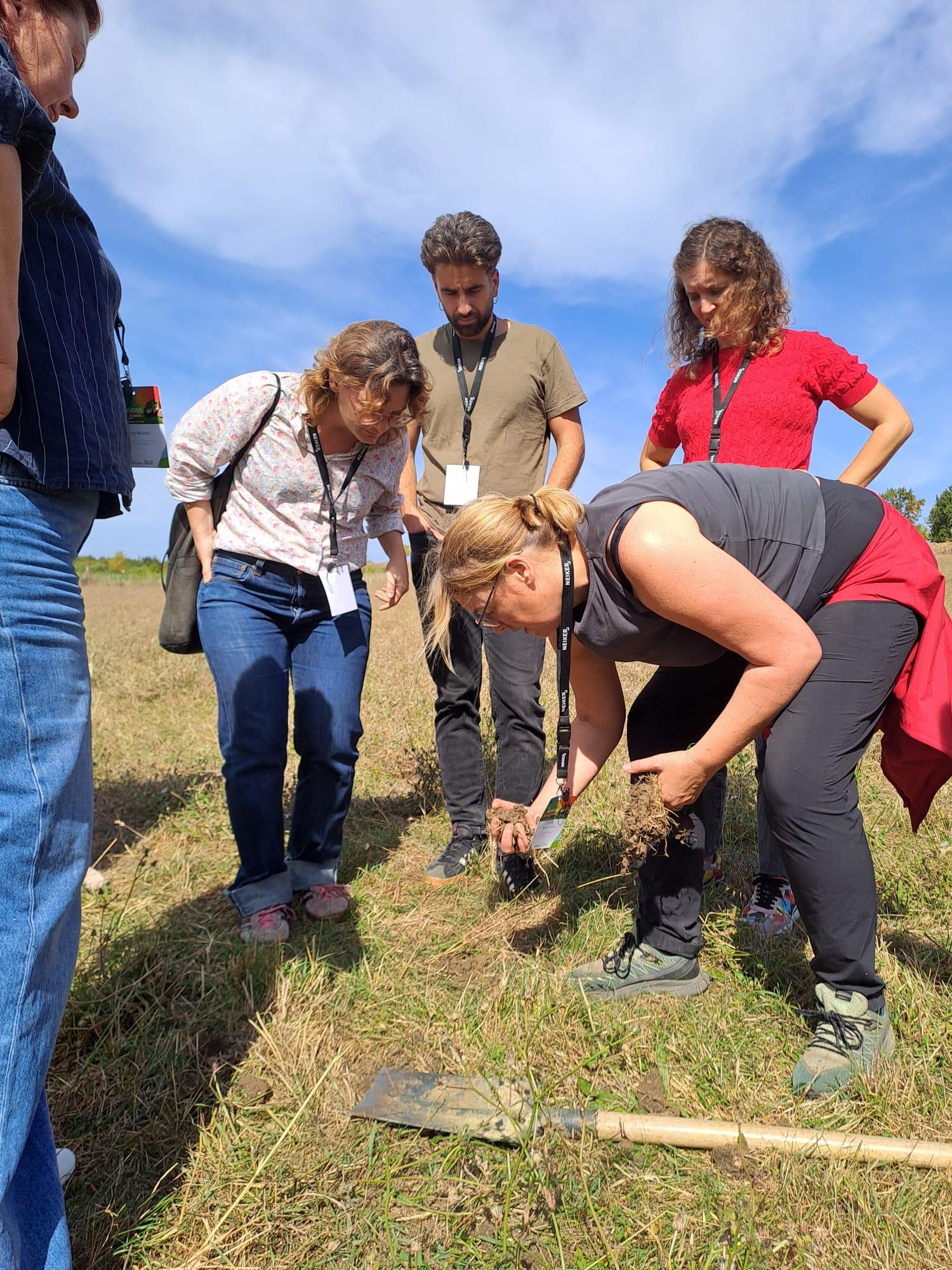
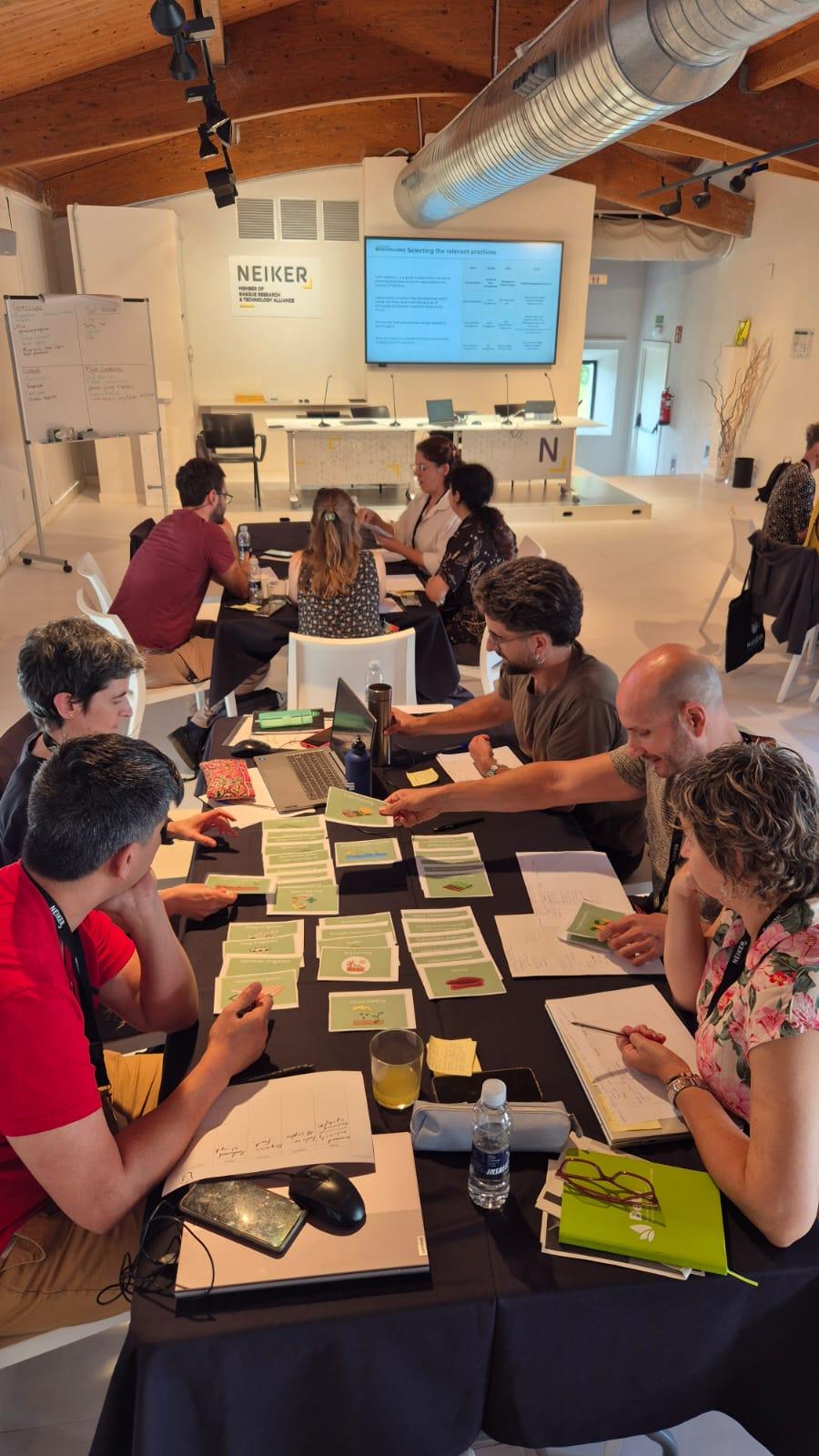
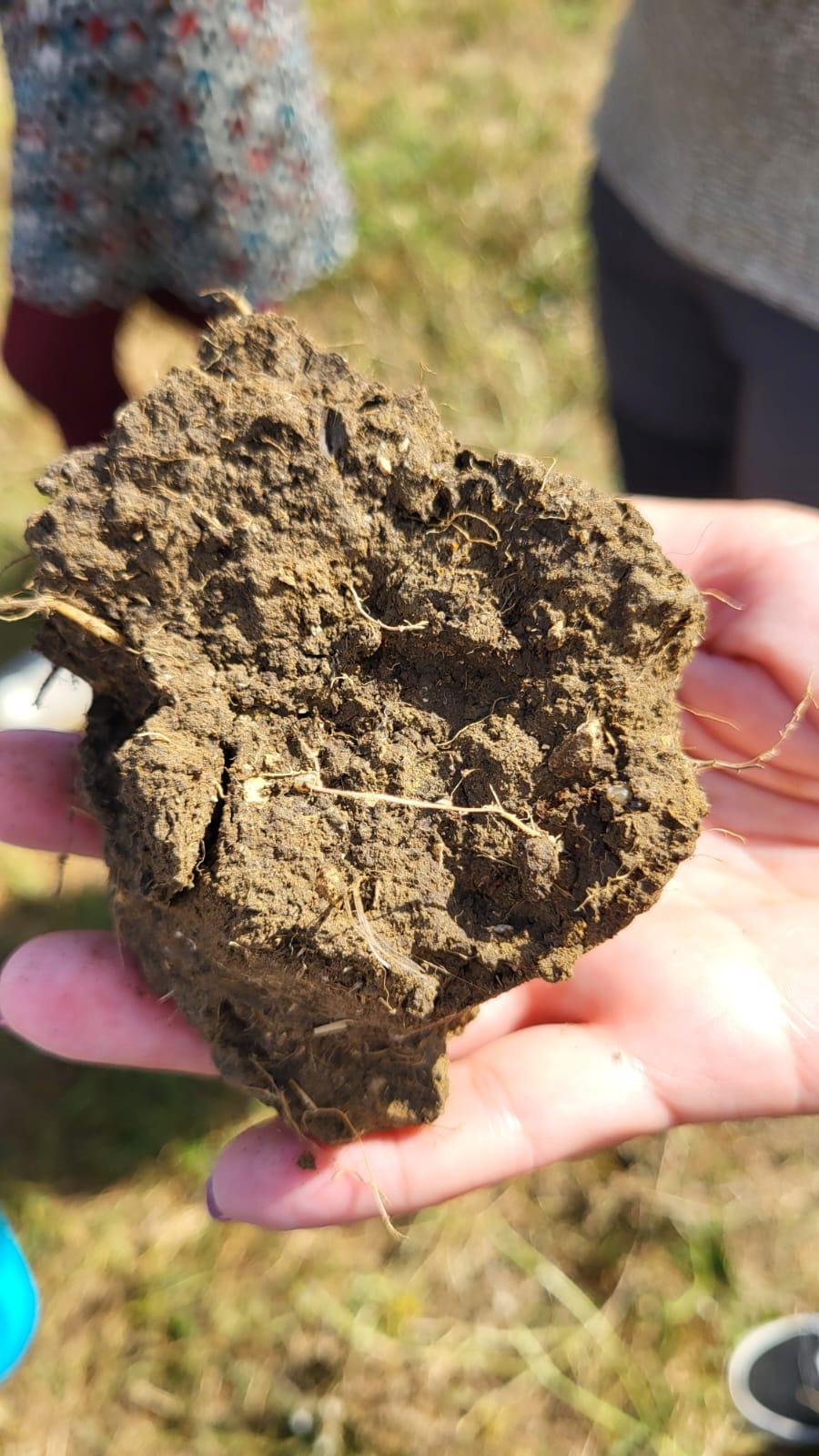
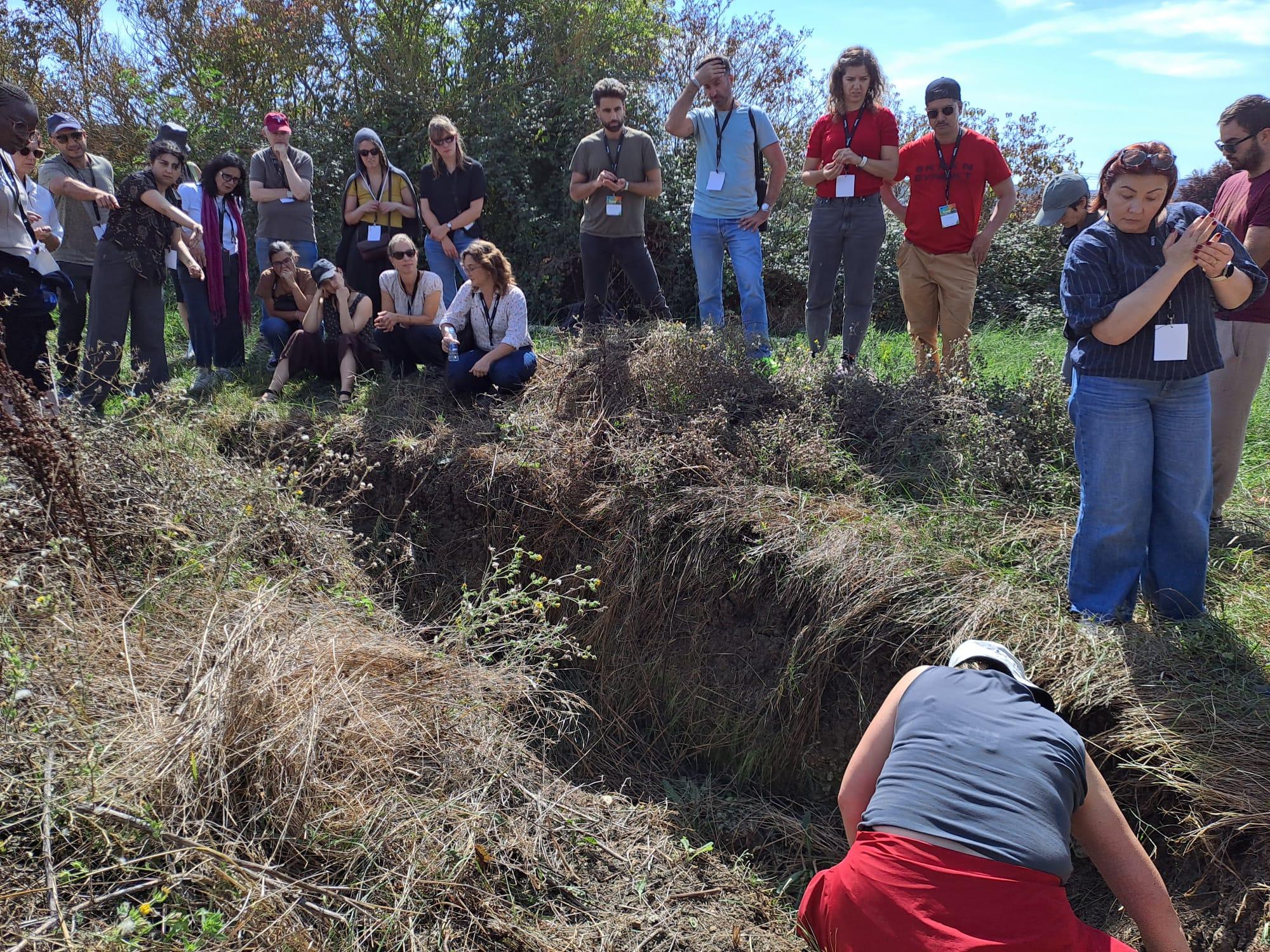
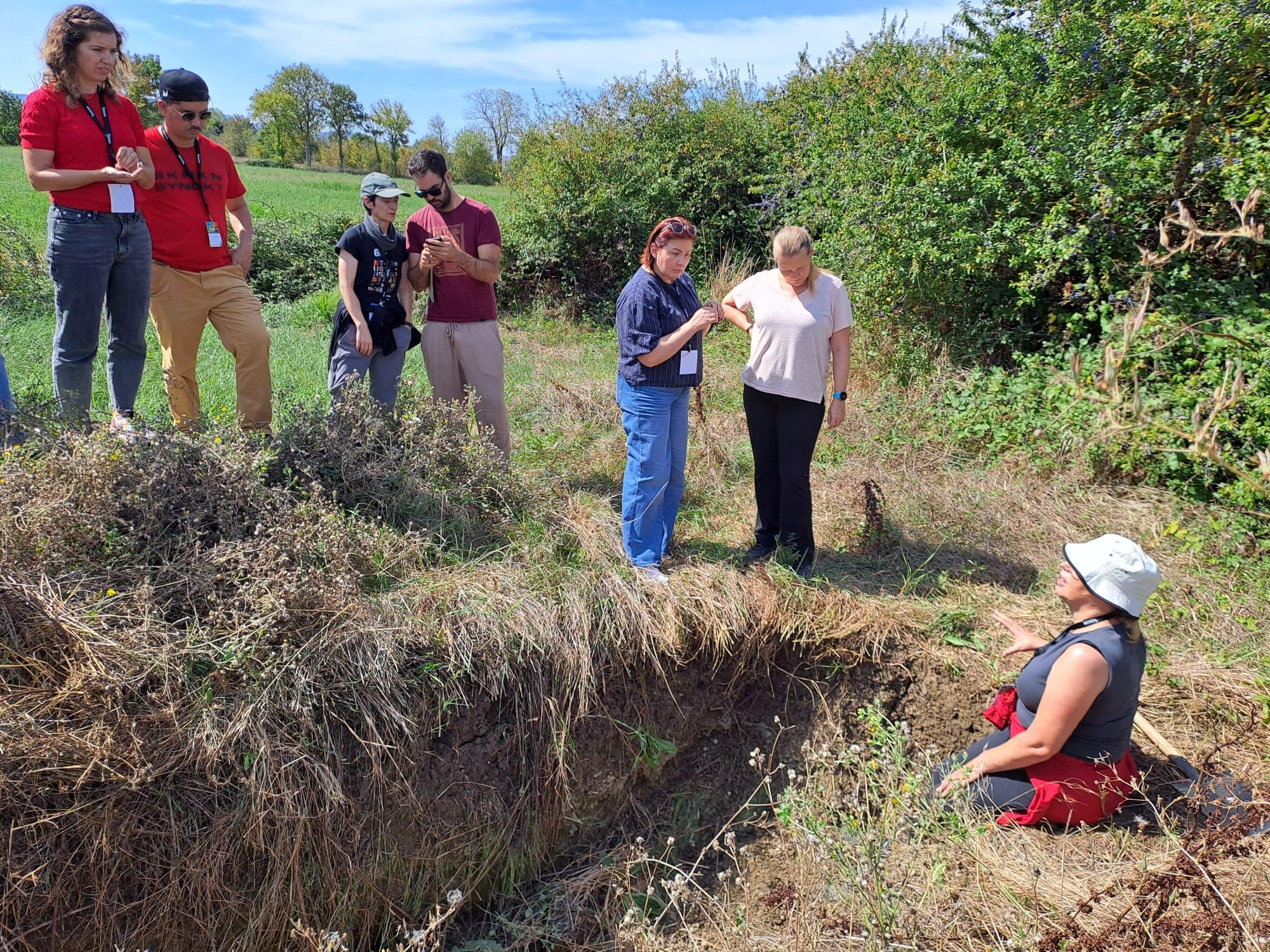
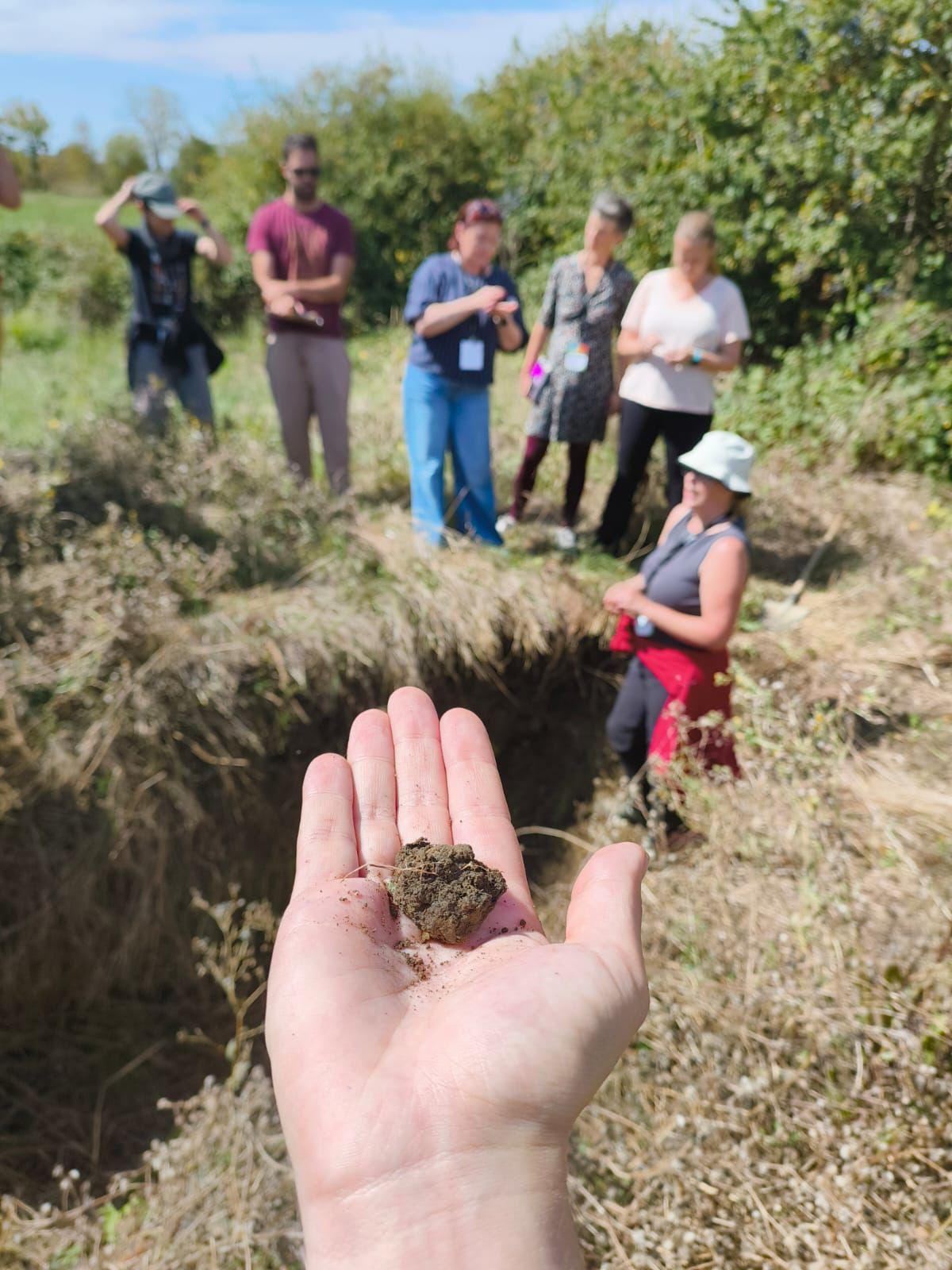
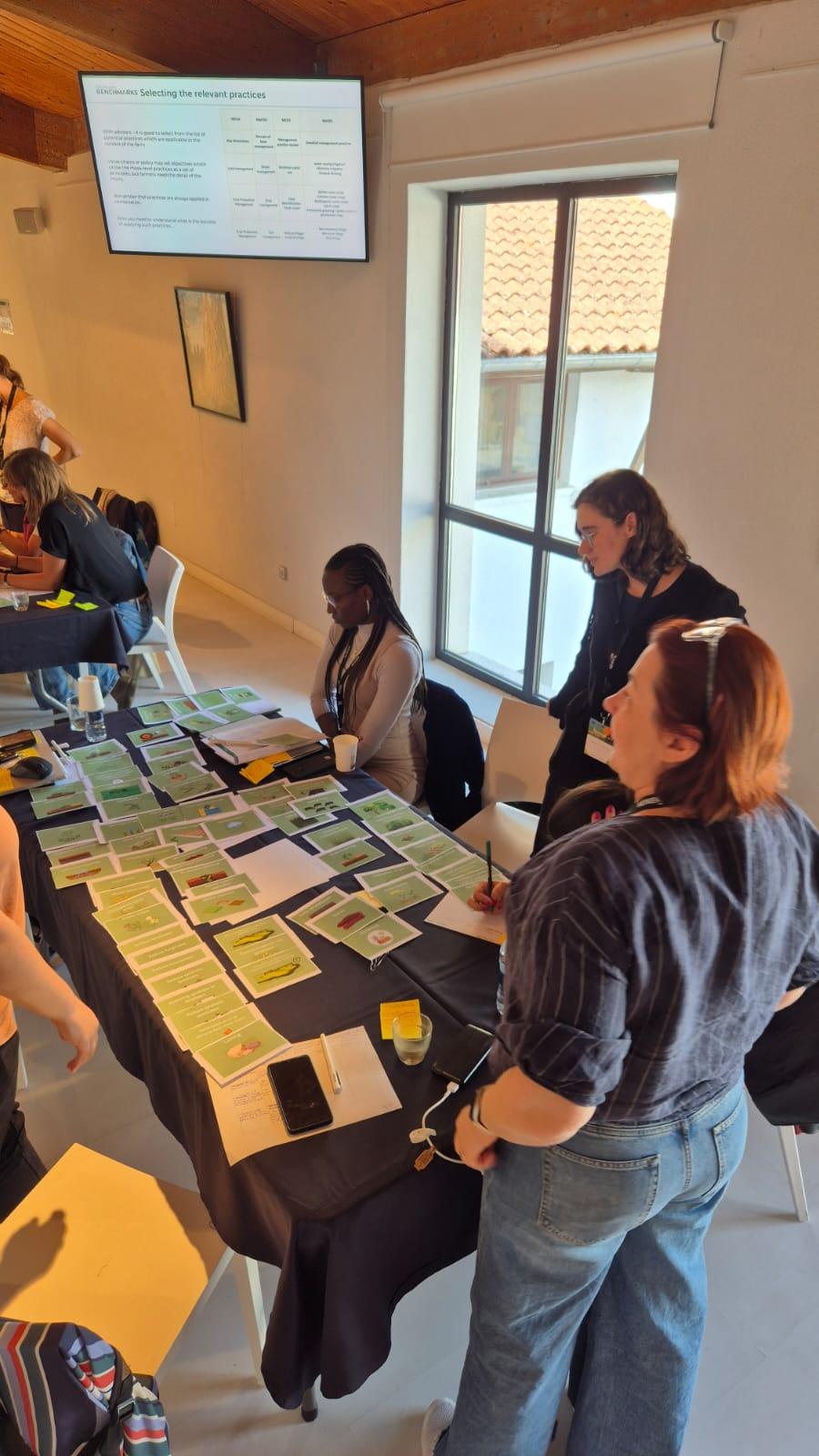
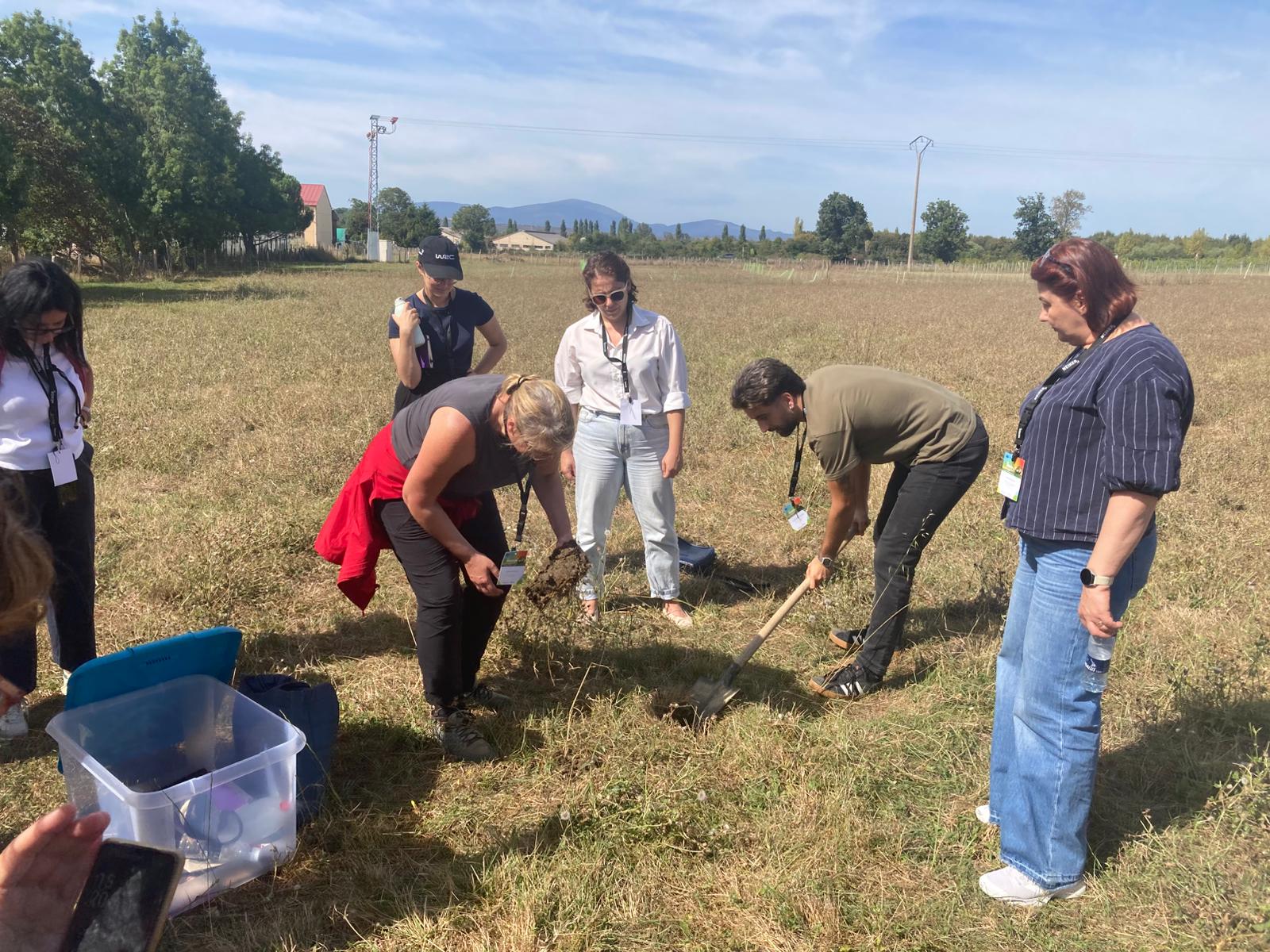
On the second day, participants explored practical approaches to indicator selection. They worked with the Eco Data Cube tool, examined local constraints and carried out exercises linking objectives to best management practices. The afternoon sessions brought theory into practice with field trials in grasslands and arable crops. Trainers guided participants in defining result- and outcome-based indicators. Titia Mulder, Wageningen University & Research (WUR), highlighted the role of remote sensing in providing higher-scale indicators, underlining the need for scalable monitoring frameworks.
Hands-on fieldwork and case studies
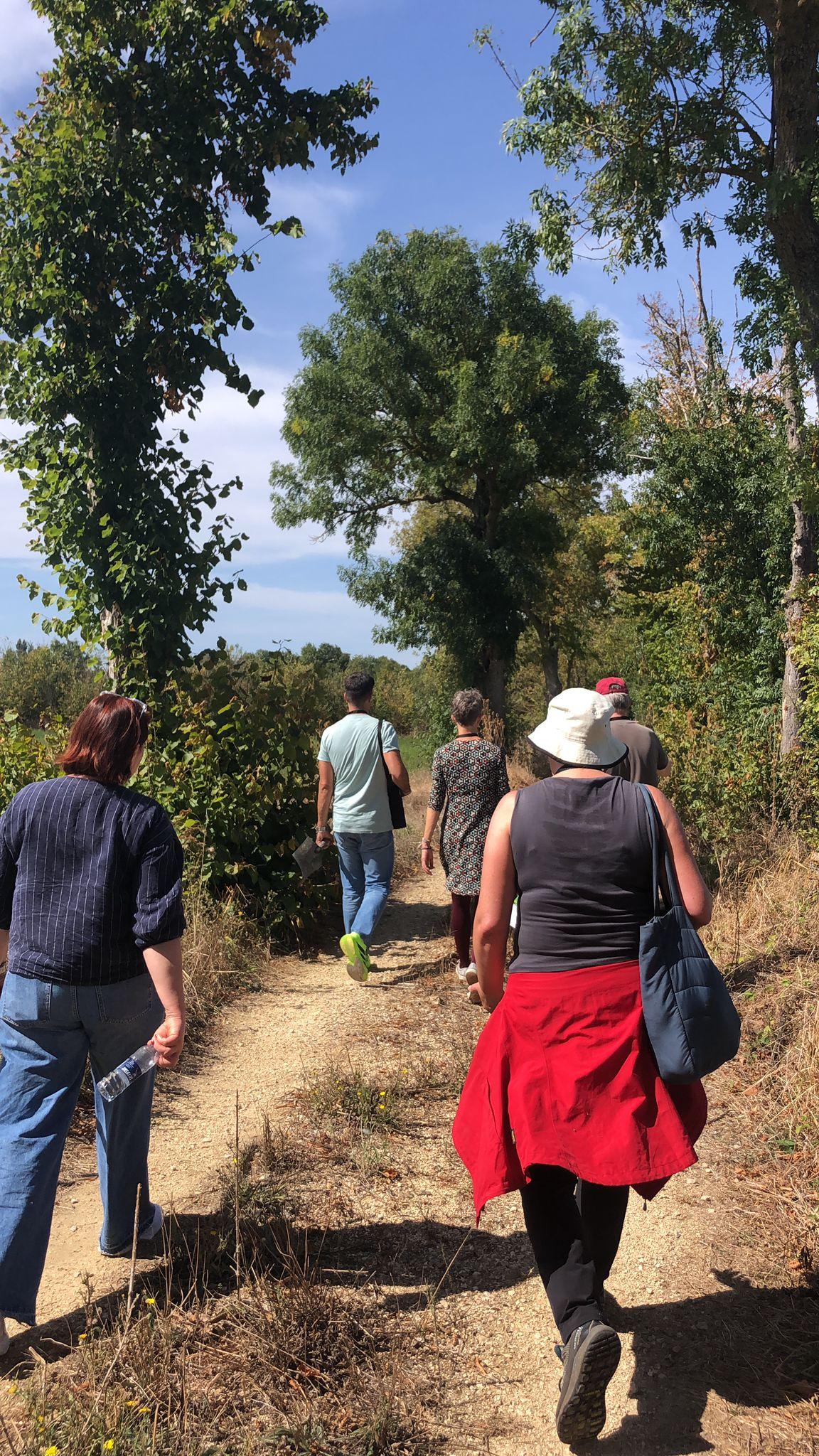
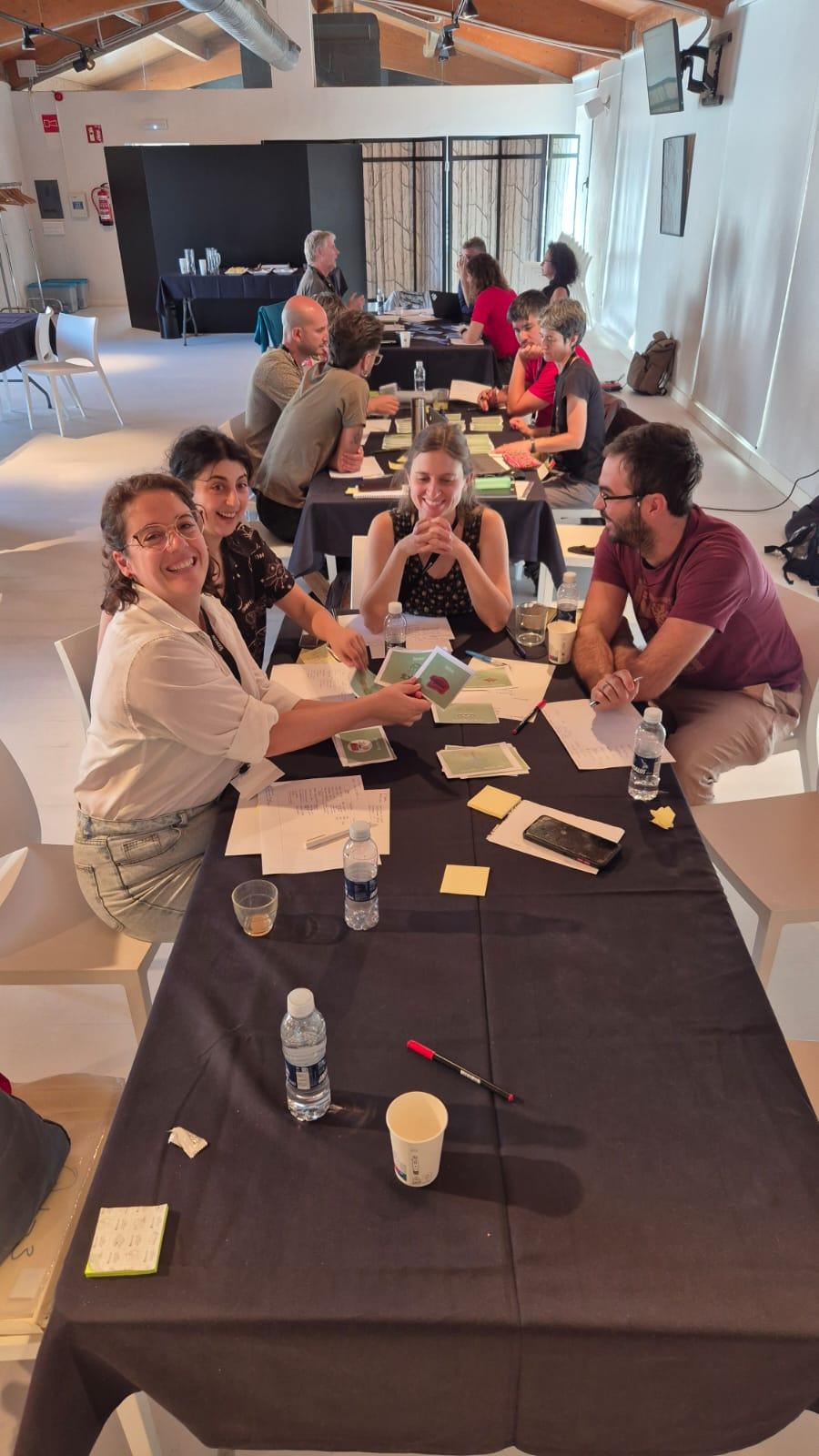
The final day began with a vineyard visit at NEIKER, where participants discussed soil health indicators for permanent crops. Inma Lebron (UKCEH) and Paolo Di Lonardo (WUR) led discussions on physicochemical and biological indicators, noting both opportunities and laboratory challenges. The training ended with an interactive game on upscaling to the landscape level.
Collaboration and knowledge exchange
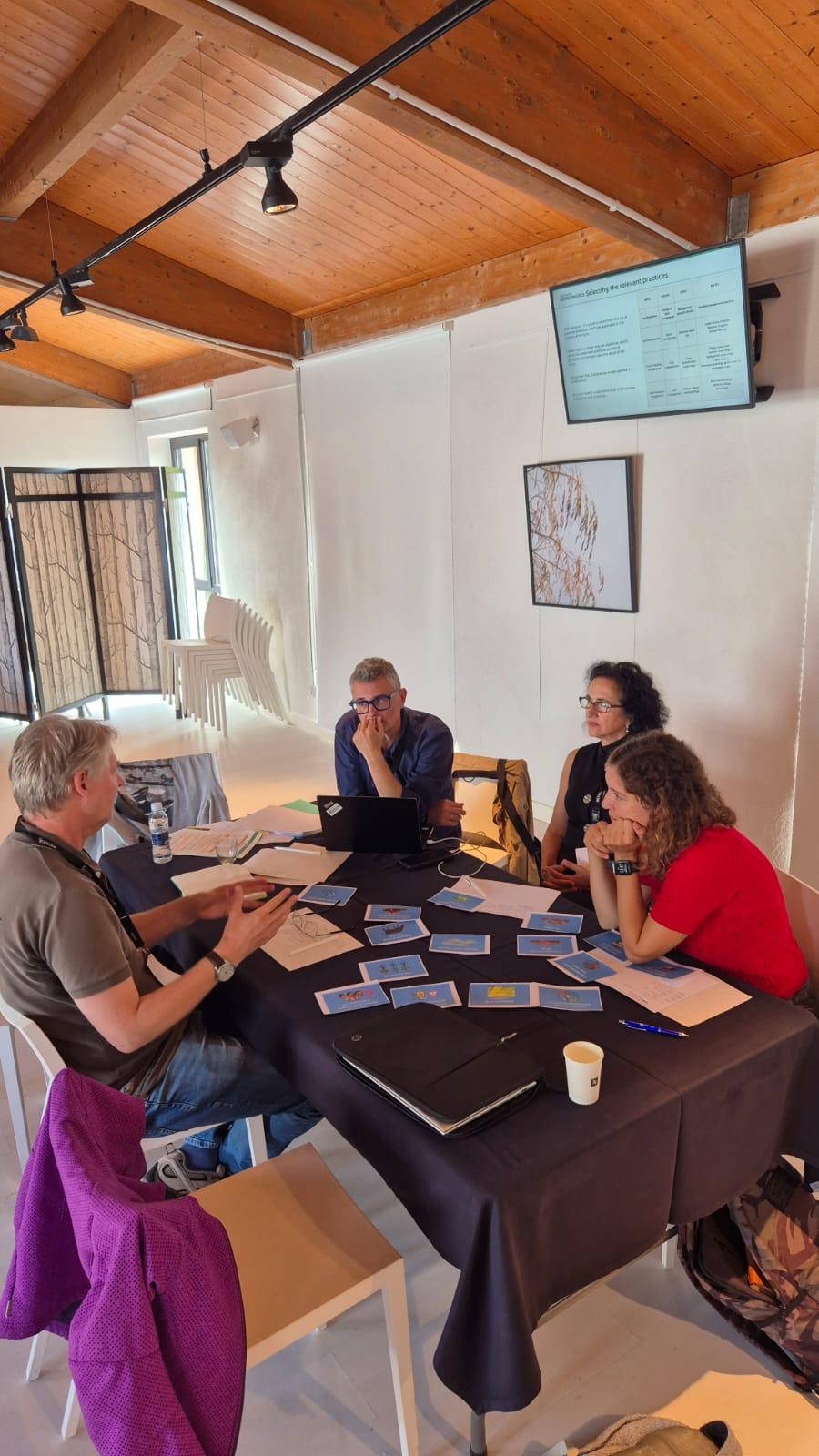
The event was praised for its interactive format and collaborative spirit. As one trainer noted, ‘The energy, collaboration and feedback from participants were truly fantastic.’ Participants appreciated the opportunity to learn from each other, exchange challenges across European landscapes and identify local indicators – from earthworms to ants – to assess soil health.
Looking ahead
The training gave participants the knowledge and tools to design soil monitoring programmes that better reflect their local contexts and goals. ‘We can’t measure everything – that is why targeted indicator selection is so vital for reliably informing policy or land management decisions,’ said Laura Bentley. With soil health recognised as a cornerstone of sustainable food systems, this training marks an important step toward harmonised and effective soil monitoring across Europe.
A follow-up session with all cluster members is planned for the end of the year to share the outcomes and lessons learnt.